·Science & Space
NASA Chandra found 84 mystery X-ray objects
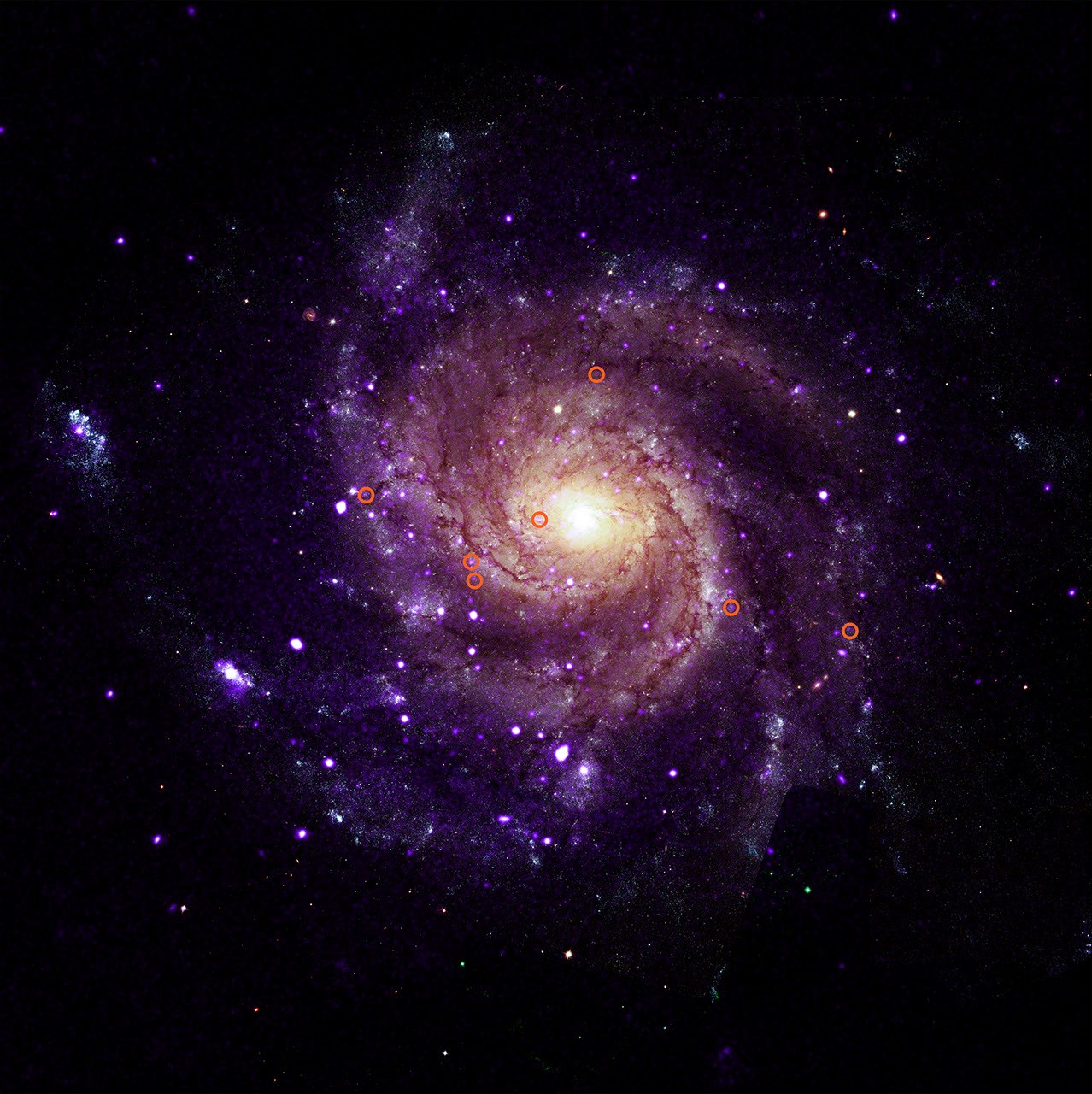
Astronomers using NASA’s Chandra archive found 84 hypersoft X-ray sources across six galaxies, a new soft-X-ray/UV class reported in Nature Astronomy on 9 September 2026.
Read the storyTopics
NASA and space-progress stories — telescopes, missions, and the numbers that left the ground.
Browse all stories·Science & Space
Astronomers using NASA’s Chandra archive found 84 hypersoft X-ray sources across six galaxies, a new soft-X-ray/UV class reported in Nature Astronomy on 9 September 2026.
Read the story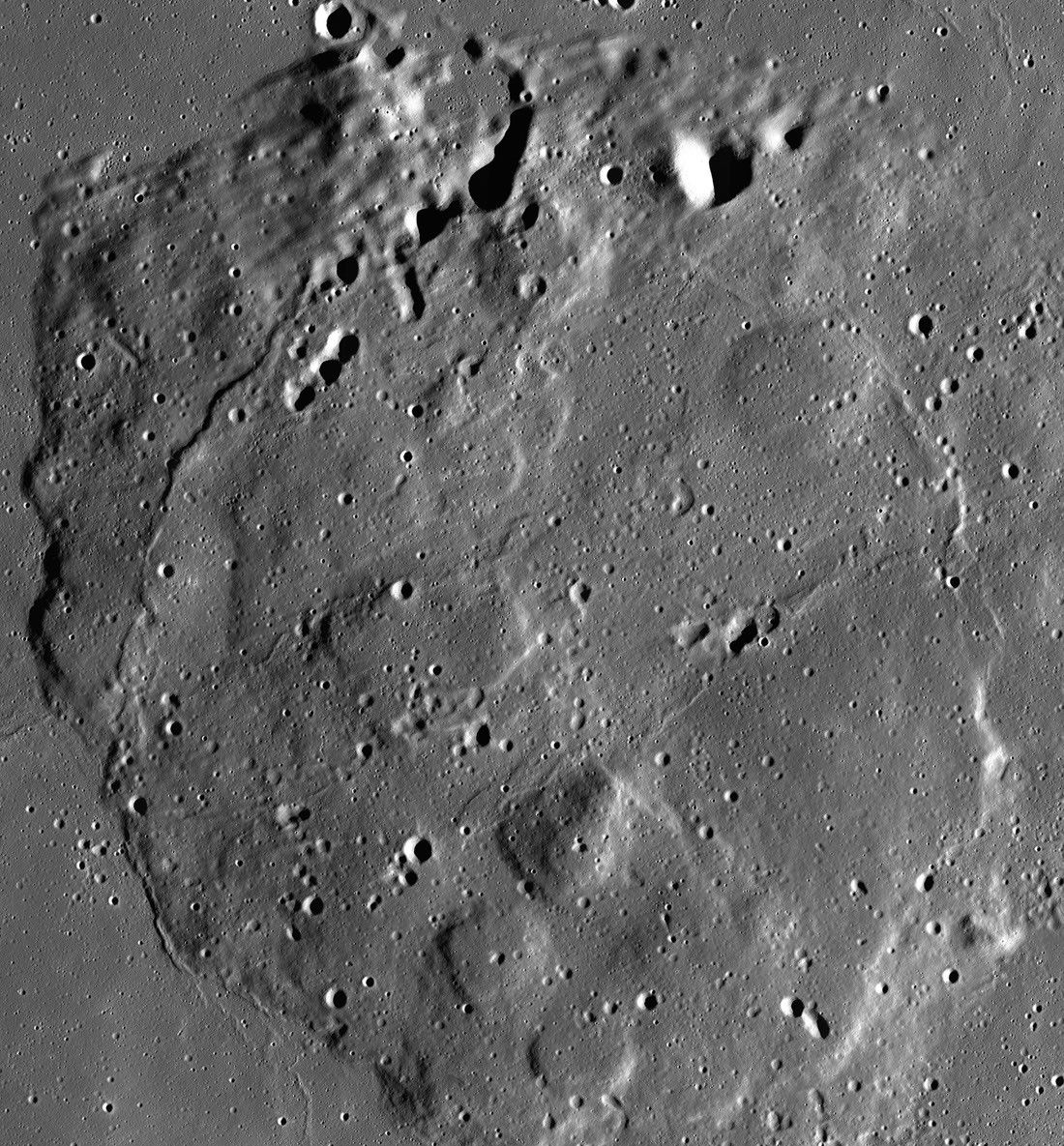
·Science & Space
NASA and IBM released an open lunar foundation model trained on ~2 million LRO image tiles from 17 years of mapping, hosted on Hugging Face for crater, volcanism, and polar-ice tasks.
Read the story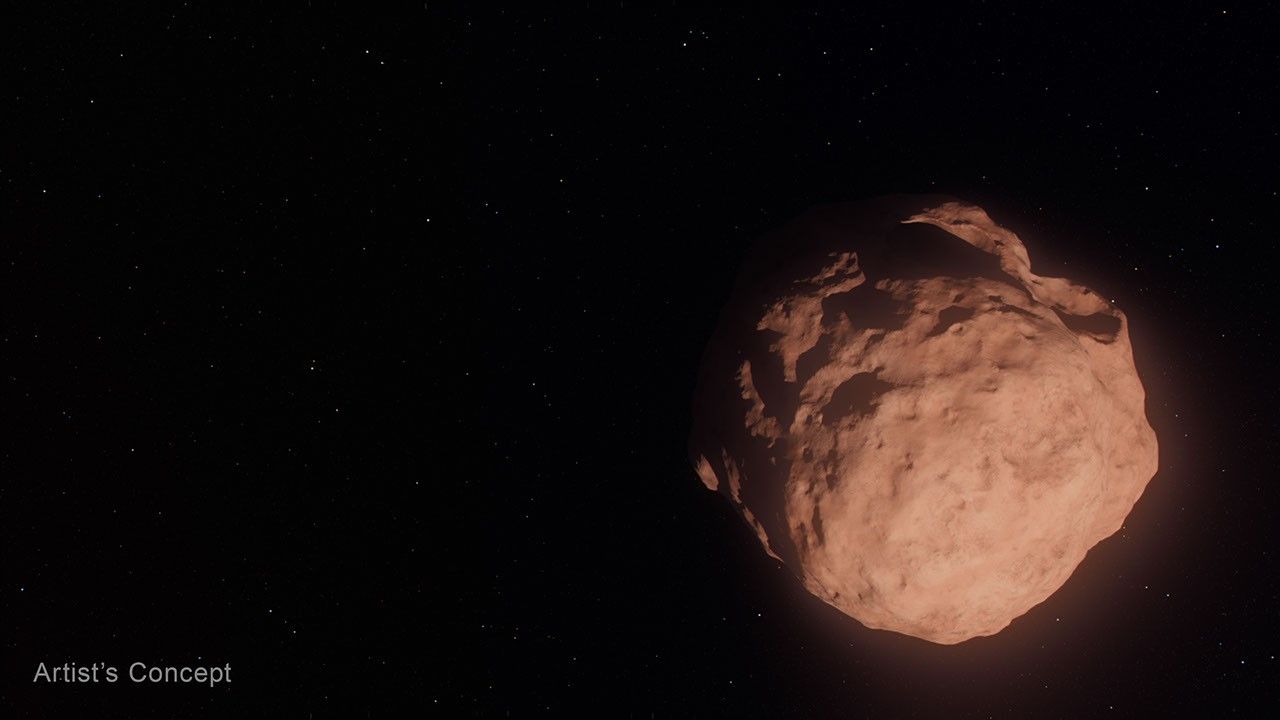
·Science & Space
On 8 September 2026 NASA reported the first joint Hubble–Webb study of Trans-Neptunian Objects. Teams analyzed 27 newly discovered dim TNOs; the smallest is about 5 km across—roughly five times smaller than the best ground telescopes can see. Small TNOs keep the same color relationships as larger family members.
Read the story
·Science & Space
In a Science Advances paper published online 24 June 2026, Murphy et al. report that Perseverance’s SHERLOC instrument detected macromolecular carbon in mudstones at Bright Angel in Neretva Vallis, Jezero crater — hundreds of organic detections across two rocks, the most robust organic find in Jezero so far and, per the authors, the only MMC detection on a natural rock surface on Mars. Organics appear in both primary silicate and secondary carbonate/sulfate settings. This is not proof of life.
Read the story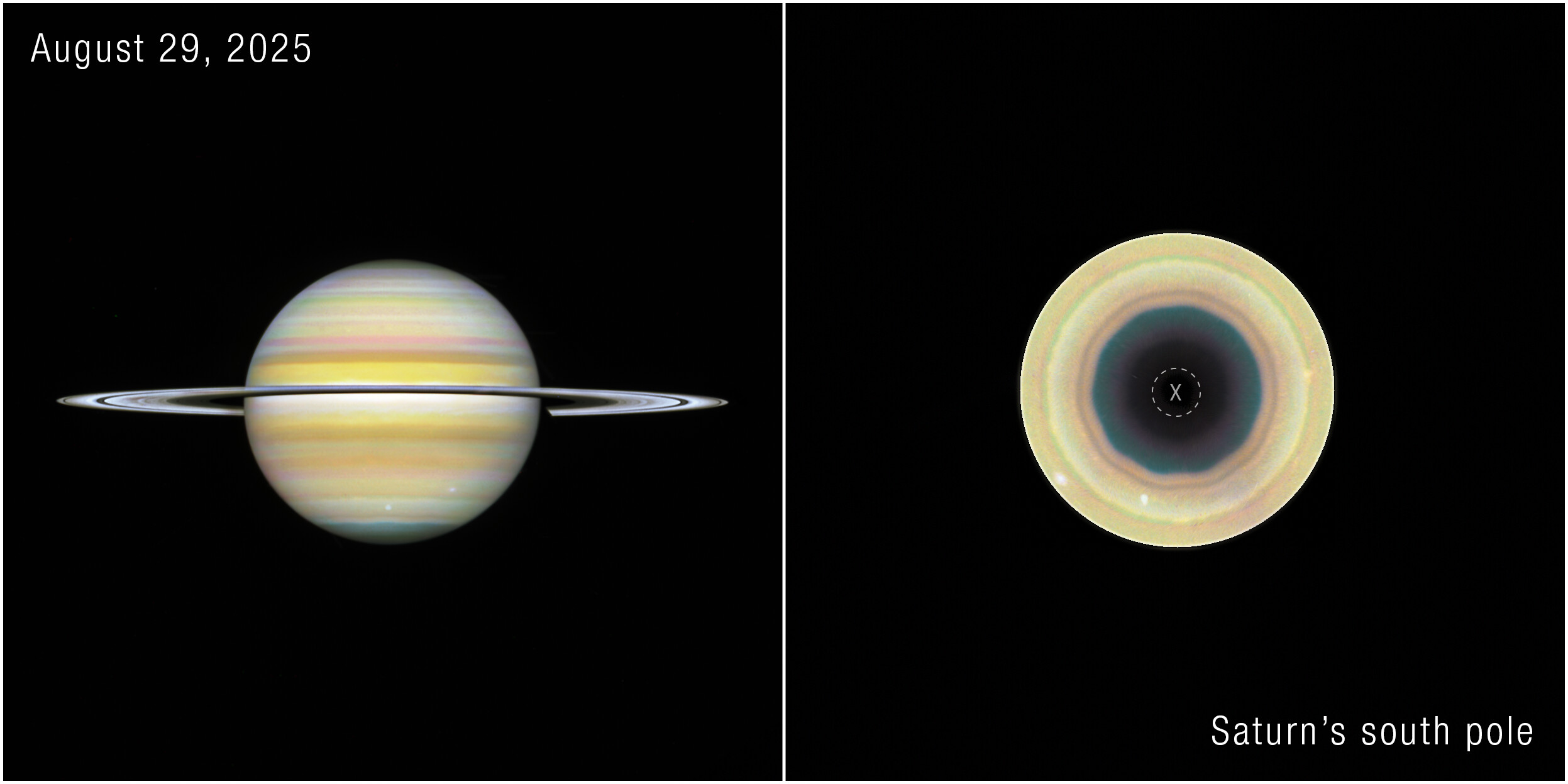
·Science & Space
On 2 September 2026 NASA and ESA/Hubble reported a giant 10-sided atmospheric wave encircling Saturn’s south pole — the first large regular-sided jet pattern in the southern hemisphere. Hubble OPAL images back to 2023 show it strengthening near ~63°S, with upper-troposphere winds around 400 km/h. This is an evolving polar jet, not a permanent proven twin of the northern hexagon and not a Cassini rediscovery.
Read the story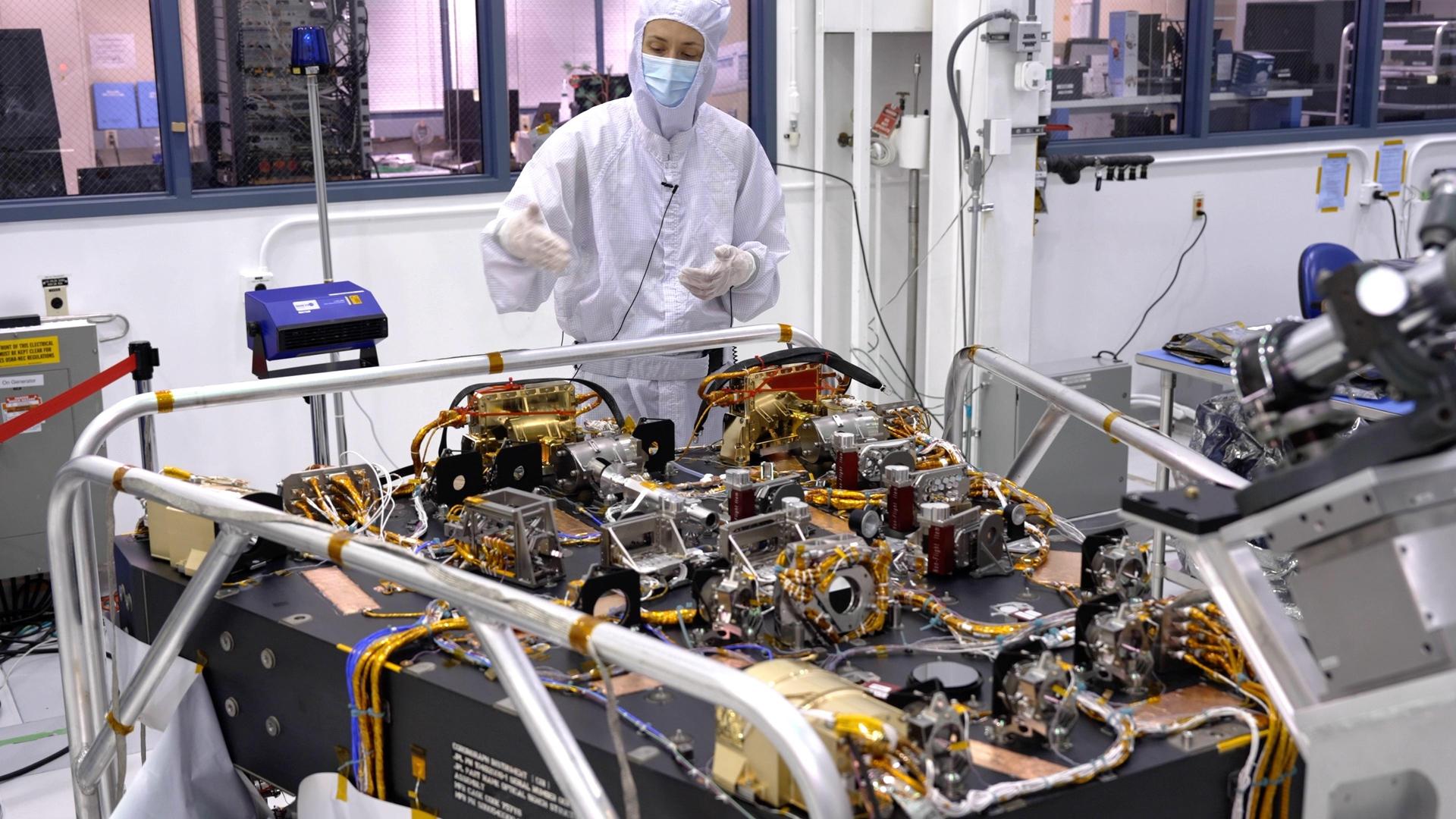
·Science & Space
On 1 September 2026 NASA powered on the Coronagraph Instrument aboard the Nancy Grace Roman Space Telescope — the first active starlight-blocking planet imager in space. Power-on ran from 7:27 to 8:22 a.m. EDT. JPL designed it to detect planets about 100 million times fainter than their stars. This is commissioning, not first science images; those are expected in early 2027.
Read the story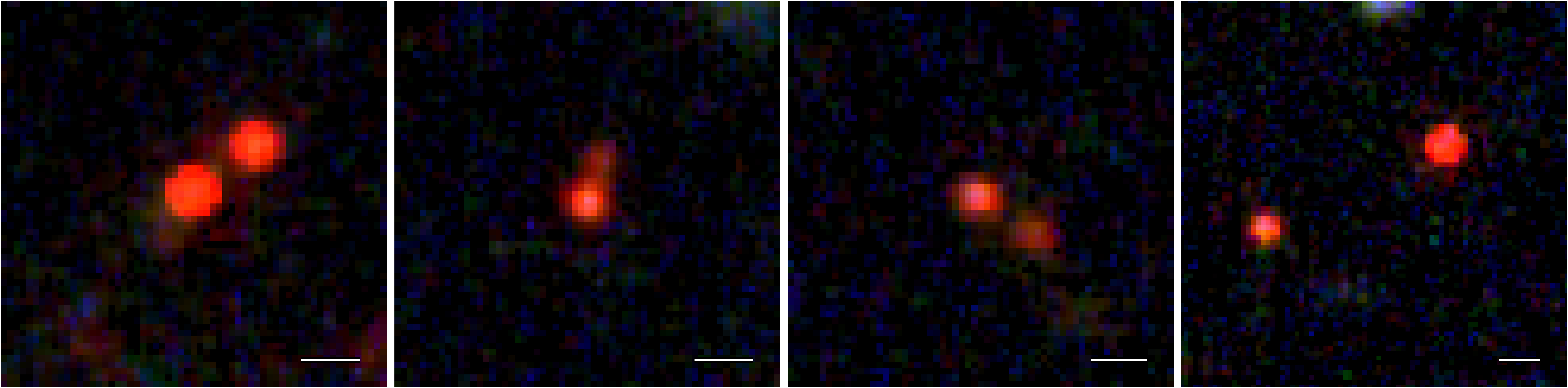
·Science & Space
A Kavli IPMU / University of Tokyo–led team used JWST COSMOS-Web imaging and a pixel-by-pixel color method to find four dual “Little Red Dot” systems — likely rapidly growing black holes — about 12.5–12.8 billion years ago. Two pairs have matching-line spectroscopy at z = 5.822 and 5.464 (separations 1.64 and 7.36 kpc); clustering on kilo-parsec scales runs roughly 20–30× above an extrapolated JWST AGN power law. Published 31 August 2026 in PASJ. These are merger precursors, not confirmed black-hole mergers.
Read the story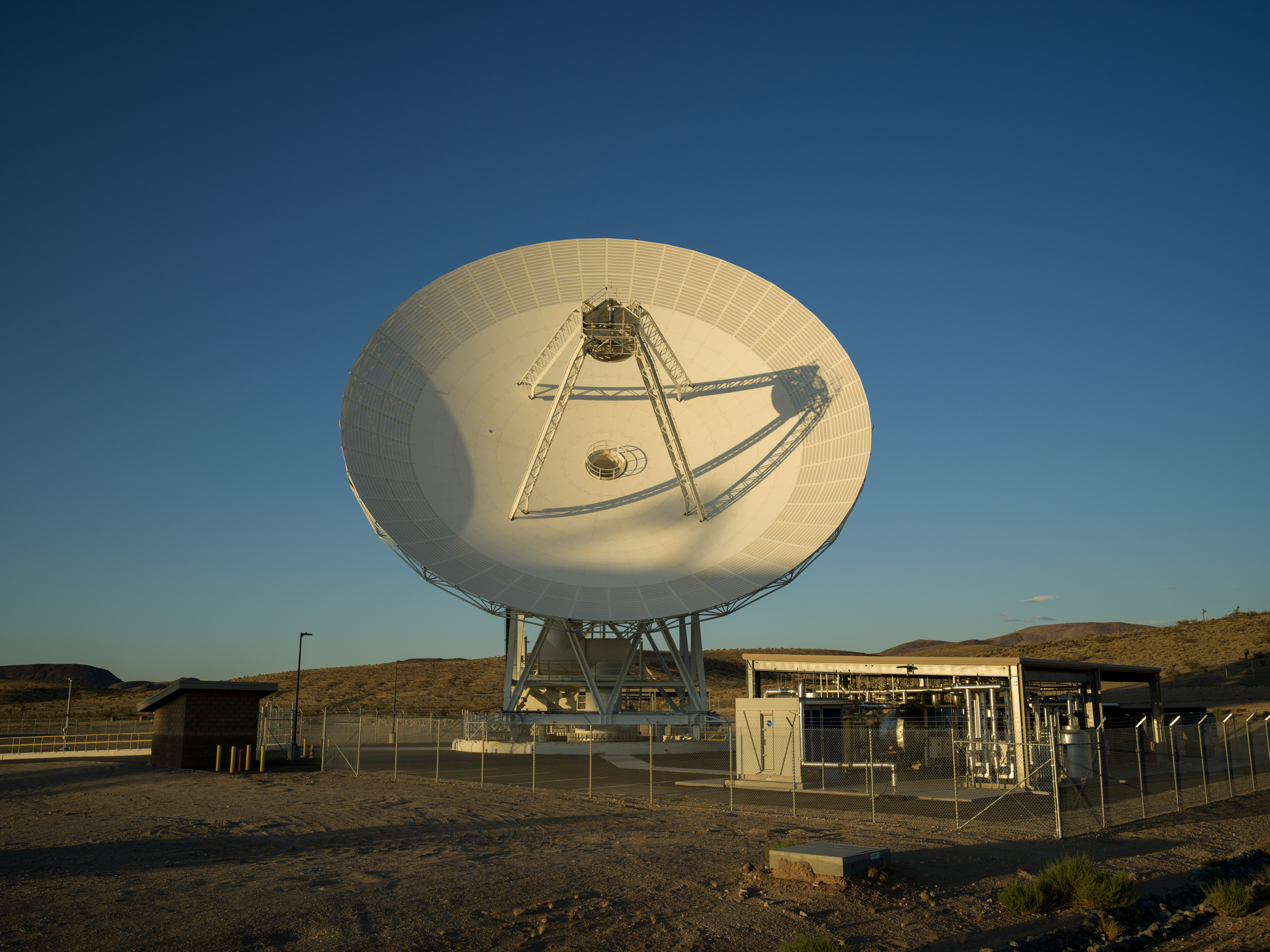
·Science & Space
NASA and JPL cut the ribbon on 25 August 2026 at Goldstone for Deep Space Station 23, a new 34-metre (114-foot) radio dish. Operations started 3 August — first track Chandra, then Mars Reconnaissance Orbiter, Psyche, Juno and Voyager 1. It is the fifth of six Aperture Enhancement Project antennas, not a telescope and not a first talk with Mars.
Read the story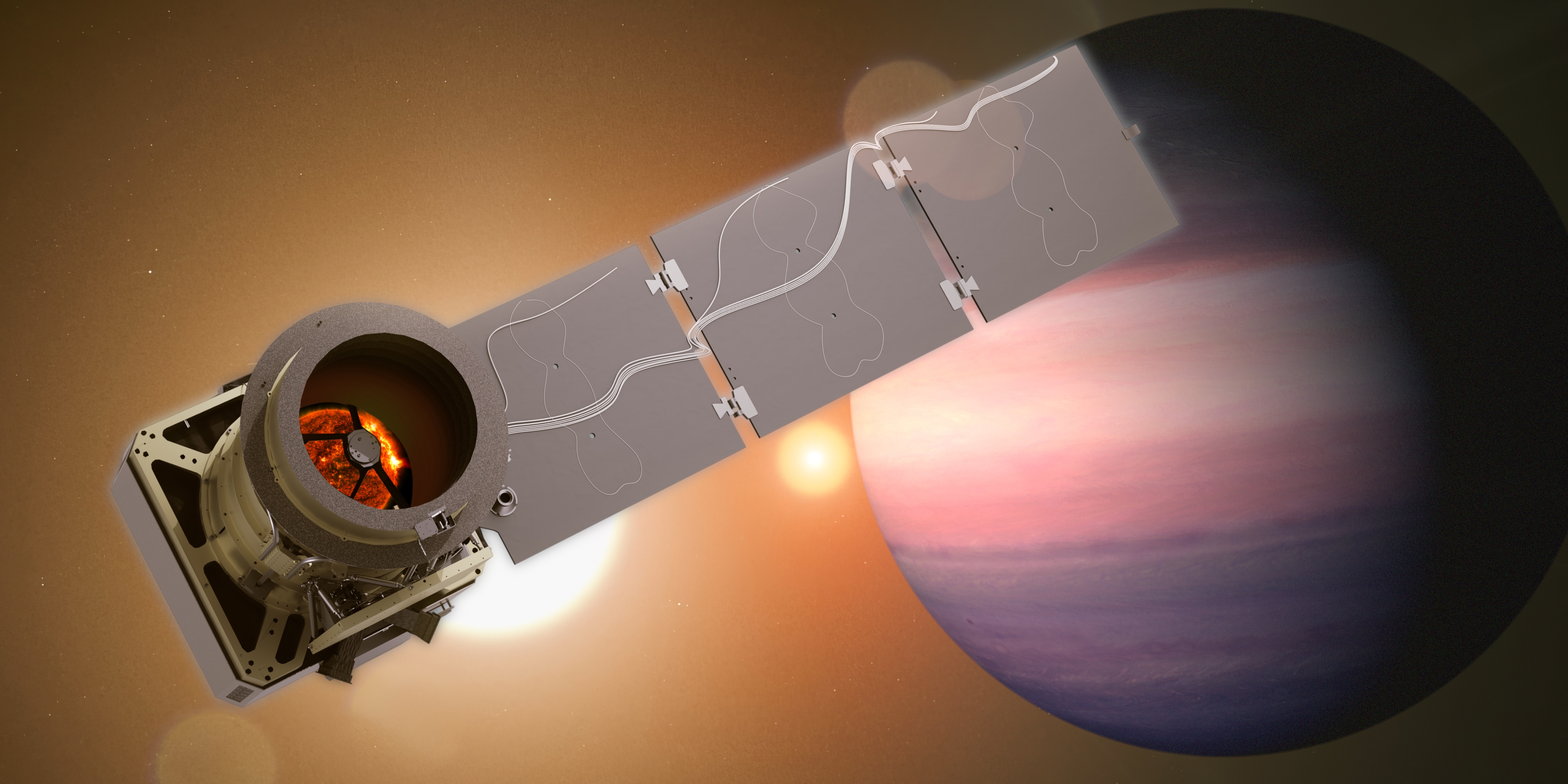
·Science & Space
NASA Goddard said on 25 August 2026 that Pandora, the first Astrophysics Pioneers SmallSat, has begun science operations. It will measure atmospheres of at least 20 exoplanets — hazes, clouds and water — staring 24 hours at a time, 10 times each, over a one-year primary mission. No atmospheres have been published yet. The spacecraft launched 11 January 2026; this is commissioning done, not a new launch.
Read the story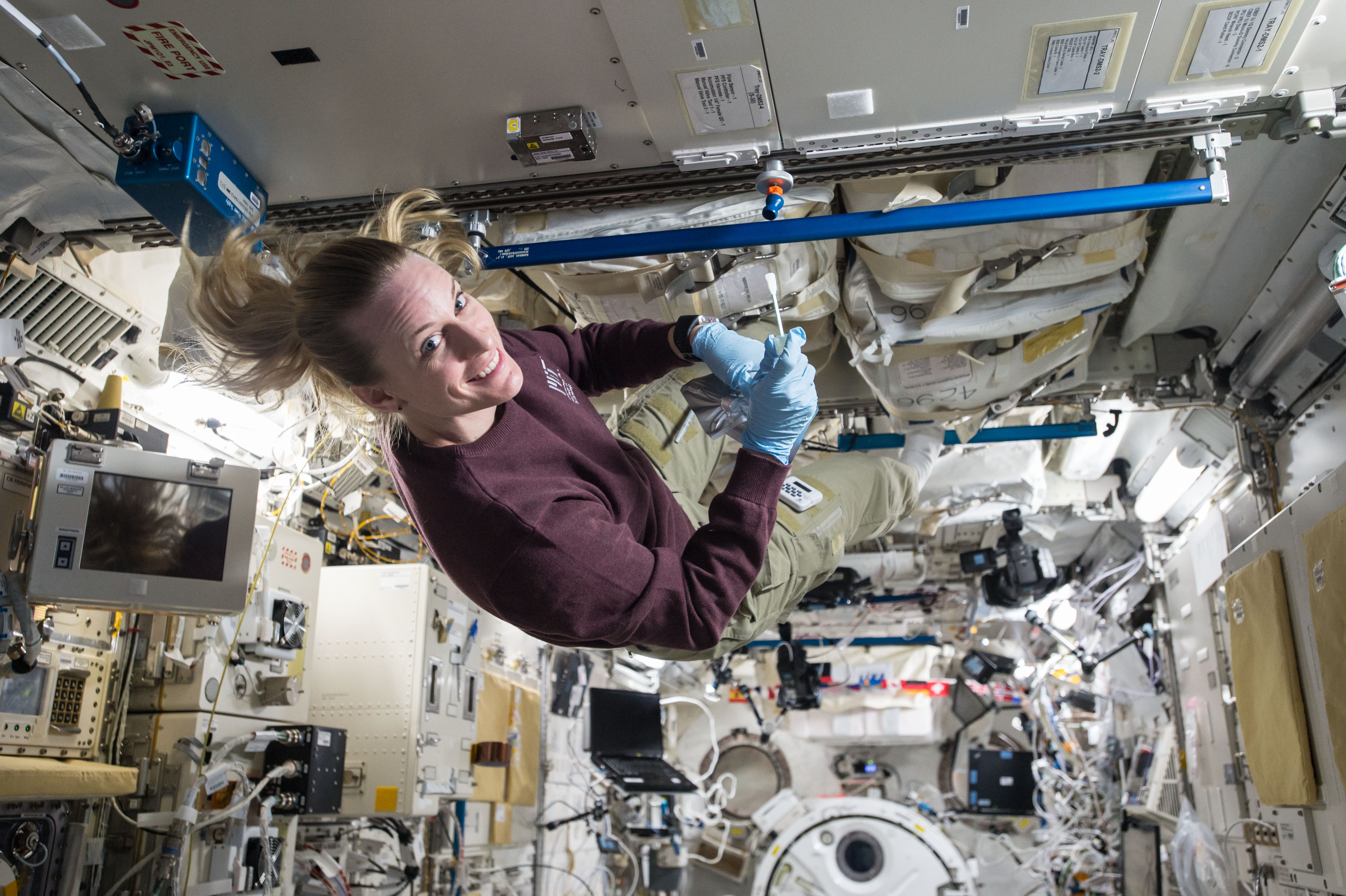
·Science & Technology
Saxena et al. in Science Advances (19 Aug 2026) combine LRO Diviner temperatures and LOLA illumination with published UV lethal doses for five Earth microbes. At three Artemis III candidate sites, Aspergillus niger could persist on about 3% of mapped non-PSR ground for at least seven Earth days. Survival is not growth. The Moon still lacks liquid water at the surface.
Read the story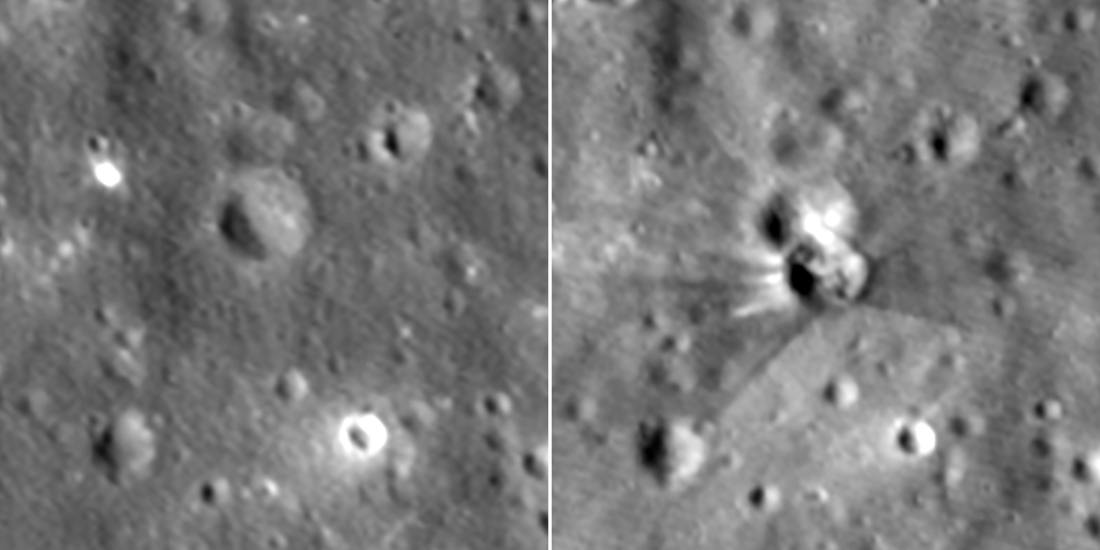
·Science & Technology
NASA’s Lunar Reconnaissance Orbiter imaged a new 18-meter crater at 19.4759°N, 266.7138°E after a Falcon 9 upper stage hit the Moon on 5 August 2026. JPL’s CNEOS prediction, handed to South Korea’s Danuri, was accurate to about 0.6 miles. This is catalog hygiene and camera geometry, not a kinetic-deflection test.
Read the story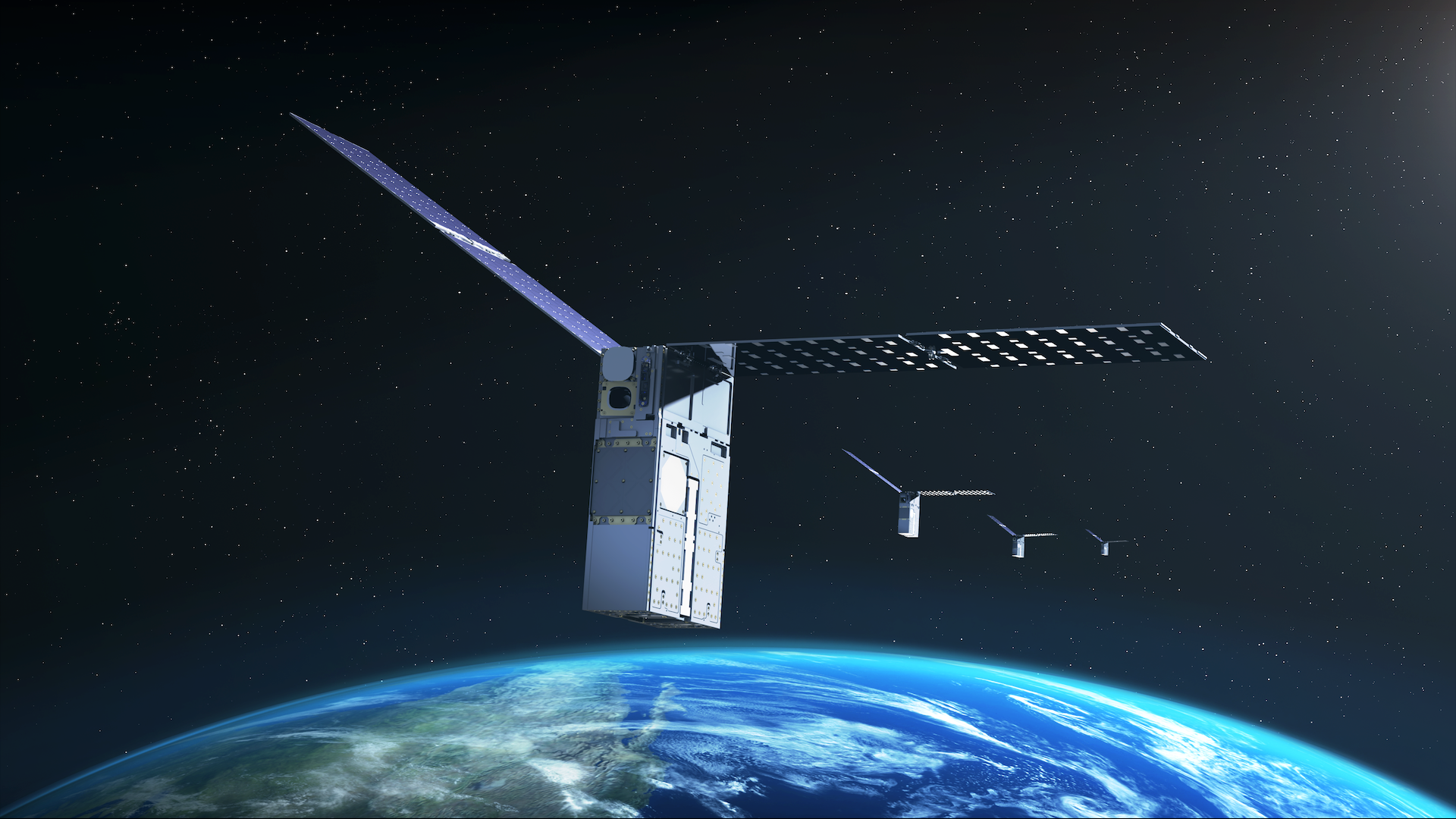
·Science & Technology
NASA Ames reported on 17 August 2026 that Starling’s FALCON experiment used star-tracker cameras and an onboard catalog of about 20,000 space objects to determine its own orbit without GPS, and in three days improved the known orbits of more than 200 objects.
Read the story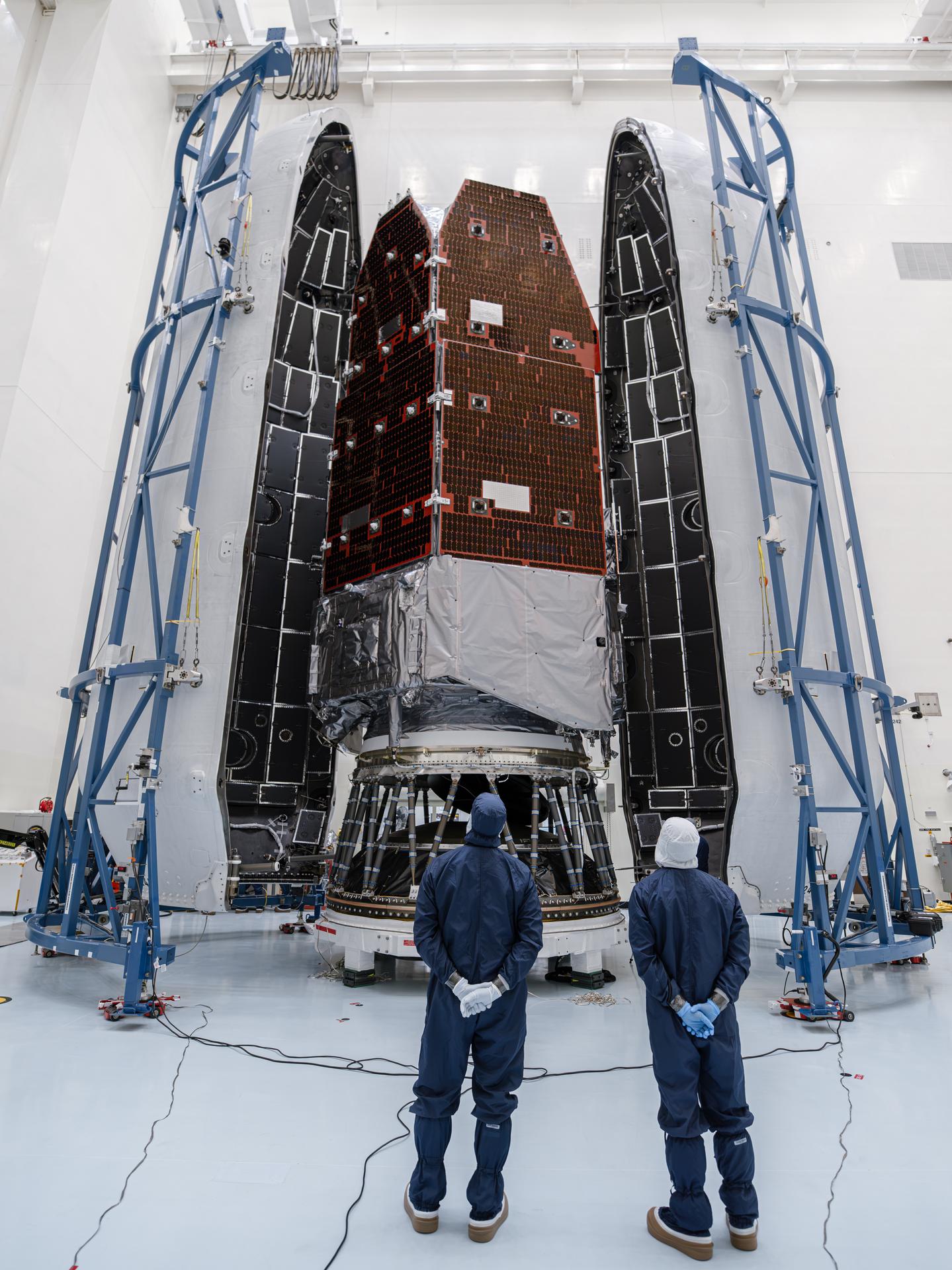
·Science & Technology
NASA’s 25 Aug 2026 Roman blog: the encapsulated observatory arrived Tuesday at the SpaceX hangar at LC-39A. Mating is still ahead. A Launch Readiness Review is Friday 28 August, the final go/no-go before a targeted 7:26 a.m. EDT Sunday 30 August (8:26 a.m. BRT) liftoff. Coverage opens 6:20 a.m. EDT. M26-063 still does not list SpaceX’s quoted Monday 31 August 7:22 a.m. ET backup. The WFI is 18 × 4,096² pixels — 301,989,888, which NASA rounds to 300 megapixels.
Read the story
·Science & Space
New observation of the Cat's Eye Nebula combines data from Hubble and Euclid and reinforces a central trend of 2026: collaboration between missions to generate more robust evidence and better scientific return.
Read the story
·Science & Space
NASA has adjusted the Artemis program architecture, added a demonstration mission in 2027, and now aims for a cadence of one lunar mission per year. The move reduces short-term technical risk and could accelerate the construction of permanent infrastructure on the Moon.
Read the story
·Climate & Science
New data from the SWOT satellite (NASA/CNES) shows that the annual variation in global river volume was smaller than previous estimates and delivers an unprecedented map of submerged channel topography. The advance improves flood and drought forecasting and water planning.
Read the story
·Science & Technology
In addition to changing Dimorphos's orbit around Didymos, the DART impact also slightly shifted the heliocentric trajectory of the binary system.
Read the story
·Science & Technology
New observations from the Webb telescope extended the tracking window and removed the remaining uncertainty about a possible impact on the Moon in 2032.
Read the story
·Science & Technology
VIIRS data during the March total eclipse shows how astronomical events help calibrate nighttime observation used in environmental monitoring and risk management.
Read the story
·Science & Technology
The NASA probe's reentry, brought forward by a more intense solar cycle, reinforces a practical lesson: space weather forecasting is not a niche topic—it is protection for satellites, energy, and communications.
Read the story
·Science & Space
A new NASA technical update shows how cognitive load modeling, training, and crew size are moving from theory to operational decisions for long-duration Mars missions.
Read the story
·Climate & Science
New NASA monitoring shows the dust plume advancing over Europe and reinforces a practical point for governments, operators, and companies: without atmospheric forecasting and adaptive operations, dust events can significantly reduce photovoltaic generation on critical days.
Read the story·Science & Space
New Webb observations extended the object’s tracking arc and removed remaining uncertainty about a possible 2032 Moon impact.
Read the story·Science & Space
Beyond altering Dimorphos around Didymos, DART also shifted the pair’s heliocentric orbit—an early but measurable signal for future planetary defense.
Read the story