
What happened
NASA announced that observations carried out by the James Webb Space Telescope have eliminated the last uncertainty about a possible impact of asteroid 2024 YR4 on the Moon in 2032. Webb, with its extraordinary sensitivity, managed to detect an object of approximately magnitude 30 — extremely faint — at a time when other observatories still could not achieve the precision needed to refine its trajectory. By extending the observational arc from 2025 into early 2026, astronomers significantly reduced orbital uncertainty and ruled out the lunar collision scenario.
The asteroid 2024 YR4 was discovered in 2024 and quickly entered planetary defense monitoring lists. Early estimates indicated a small, but non-zero, chance of lunar impact in 2032. Webb's ability to observe at infrared wavelengths and its location in space allowed it to capture the asteroid's faint glow when it was already too distant for ground-based telescopes.
Why this matters
The case illustrates how planetary defense relies on complementary layers of observation: initial detection with wide surveys, continuous monitoring, and orbital refinement with high-sensitivity instruments. Without Webb's contribution, the risk margin would have remained larger for longer, delaying decisions on possible responses.
NASA itself notes that the results, published in a blog post, are ongoing science and have not yet undergone peer review. However, the operational gain is clear: ultra-precise observations made ahead of time improve the quality of risk assessments and mitigation strategies.
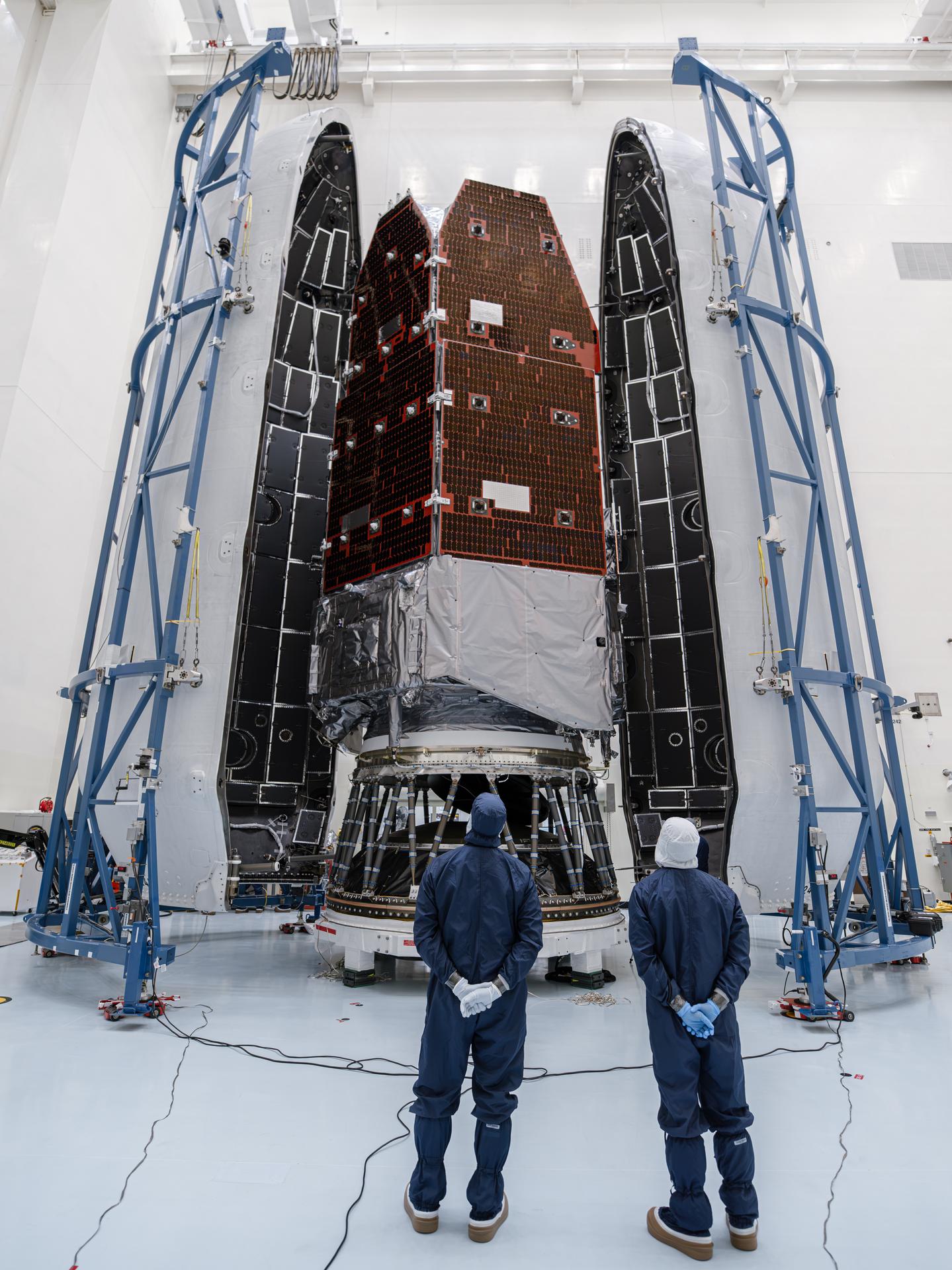
In the broader picture of planetary defense, the architecture is becoming more robust. The DART mission has already validated the kinetic deflection technique, the NEO Surveyor telescope, once launched, will expand early discovery capabilities, and telescopes like Webb and future observatories increase the precision of trajectories. Each of these elements reduces response time in the face of a real threat.
What to watch next
Asteroid 2024 YR4 will continue to be monitored during its next close approaches to Earth. Although the risk of lunar impact has been eliminated, the refined orbital data will help predict its future path more accurately. Astronomers plan new observations with Webb and other telescopes during the next visibility window, which should further reduce uncertainties.
Furthermore, the success of this observation underscores the importance of maintaining a diverse fleet of instruments — both on the ground and in space — to ensure that no potentially hazardous object goes unnoticed. The development of missions like NEO Surveyor promises to make this process even more efficient over the next decade.