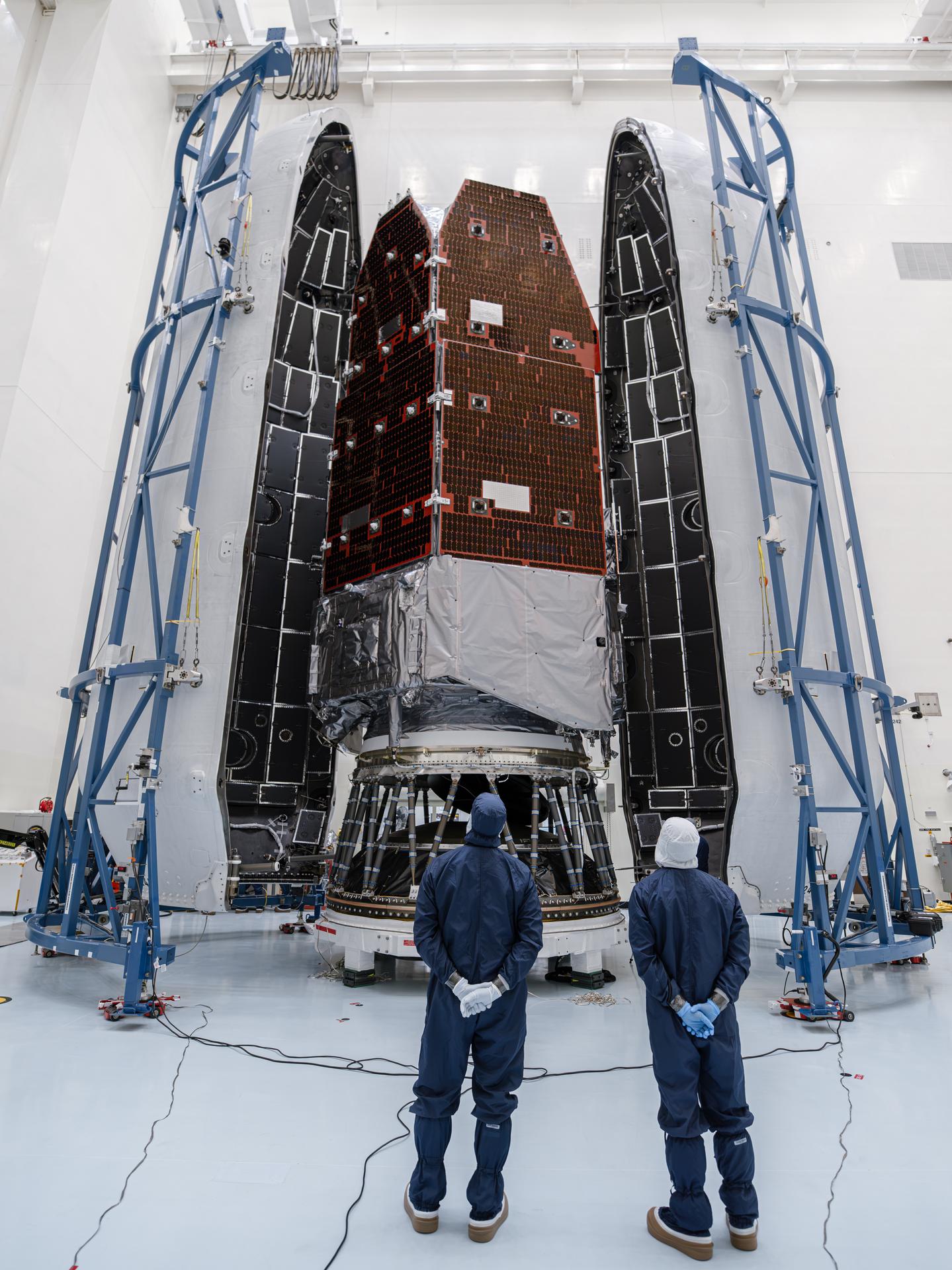
NASA Goddard said on 25 August 2026 that Pandora, the first satellite to fly under the agency’s Astrophysics Pioneers program, has started science operations. The SmallSat will measure the atmospheres of at least 20 exoplanets — including hazes, clouds and water — by staring for 24 hours at a time, 10 times each, over a one-year primary mission. That is a start of observing, not a catalog of detections. NASA has not published atmospheres from Pandora yet. The spacecraft launched into low Earth orbit on 11 January 2026. This week’s news is that commissioning is done, not that another rocket left the pad.
The telescope is about 18 inches (45 centimeters) across. It is not Hubble-class. It is not an instrument on NASA’s next space telescope. Pandora is a separate, already-orbiting SmallSat with a Webb-spare near-infrared detector, built to sit on a handful of worlds for a full day at a stretch — work flagship observatories cannot schedule as a habit.
Why it matters
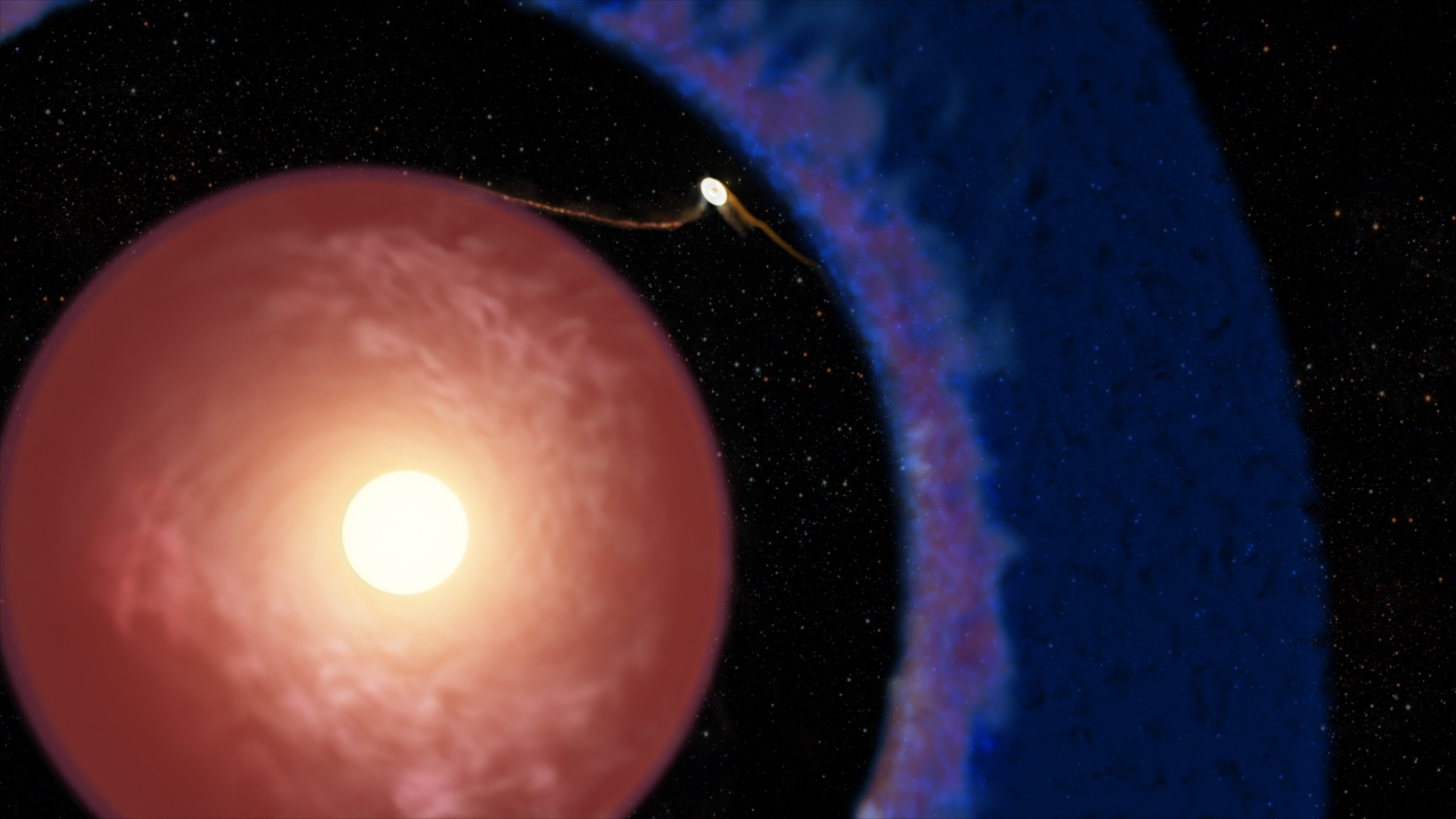
Exoplanet atmospheres are measured, today, mostly during transits: a planet crosses its star, a sliver of starlight skims the air, and molecules leave brightness dips at characteristic wavelengths. The catch is that the telescope also sees the rest of the star. Stellar surfaces are not uniform. They have hotter, brighter patches called faculae and cooler, darker regions like sunspots. Those features grow, shrink and rotate. They can inject the same chemical fingerprints astronomers want from the planet — including water — or wipe them out.
“Pandora’s data will help close a major gap in our knowledge about planets and their host stars because, right now, we can’t be entirely sure how the star’s light affects measurements of what makes up exoplanet atmospheres,” said Elisa Quintana, Pandora’s principal investigator at NASA’s Goddard Space Flight Center in Greenbelt, Maryland. “We designed the Pandora spacecraft and its in-depth observing program to better understand this vexing issue.”
NASA says the results will lay a foundation for interpreting measurements by the James Webb Space Telescope and later observatories aimed at habitable worlds. Pandora is not competing with Webb for images. It is trying to tell astronomers when a water signal is the planet’s and when it is the star’s.
Pioneers are “fast-paced, low-cost missions that require a higher-than-usual tolerance for failure.” NASA put that sentence in the 25 August story. Do not read the start of science as a guarantee of 20 published atmospheres at year-end.
The numbers NASA actually put on the page
These figures are from Goddard’s 25 August story. They are a plan, not a yield.
| NASA’s figure | |
|---|---|
| Worlds in the primary survey | at least 20 exoplanets |
| Visits per world | 10 |
| Length of each stare | 24 hours, with a transit in each observation |
| Primary mission | one year |
| Telescope | about 18 inches (45 cm), all-aluminum |
| Near-infrared detector | a Webb spare |
| Launch | 11 January 2026, low Earth orbit |
| Science-ops announcement | 25 August 2026 |
NASA has not named the 20 worlds in that story. It has not released a first transmission spectrum. “Begins study” is the headline the agency used. Treat it as a start-of-ops note.
How they did it
Pandora’s hardware is small on purpose. Lawrence Livermore National Laboratory and Corning jointly developed the all-aluminum telescope. Livermore also built the imaging detector assemblies, control electronics, and the thermal and mechanical subsystems. NASA Goddard provided the infrared sensor — the spare originally developed for Webb. Blue Canyon Technologies supplied the spacecraft bus, assembled and tested the vehicle, and is supporting mission operations. NASA’s Ames Research Center in California’s Silicon Valley processes the data. The University of Arizona leads mission operations and contributes to the science program. Science data go to the NASA Exoplanet Archive, operated by IPAC at Caltech.
Three design choices, NASA says, make the SmallSat unusual. It flies that 18-inch aluminum telescope. It watches planets and their host stars at the same time in visible and near-infrared light. And it stares far longer than flagship observatories like Webb can afford to.
The detectors record the star’s brightness in visible light and its near-infrared spectrum together, then pick up a near-infrared spectrum from the planet when it transits. Visible light tracks how spotted or facular the star is. Infrared is where the atmospheric molecules, including water, write their fingerprints. Doing both at once is how Pandora is supposed to separate the two.
“Water is one of the most important molecules we can measure to understand the composition and physical conditions of an exoplanet atmosphere,” said Benjamin Rackham, a team member at the Massachusetts Institute of Technology. “But features on the star can distort the water signal we’re searching for. Pandora is designed to disentangle the signals from the planet and the star, helping us to understand the planets more accurately and laying the groundwork for the eventual study of planets that could harbor life.”
That last clause is a goal, not a result. Pandora’s sample is at least 20 transiting worlds, not Earth twins. NASA did not claim a habitable-zone detection, a biosignature, or a published water abundance.
Commissioning is the other half of this week’s news. “The spacecraft is healthy and all of the instruments are performing as well as we could have hoped,” said Jordan Karburn, Pandora’s deputy project manager at Lawrence Livermore National Laboratory. “Our team’s hard work throughout the commissioning process has paid off, and we can now confidently start science.”
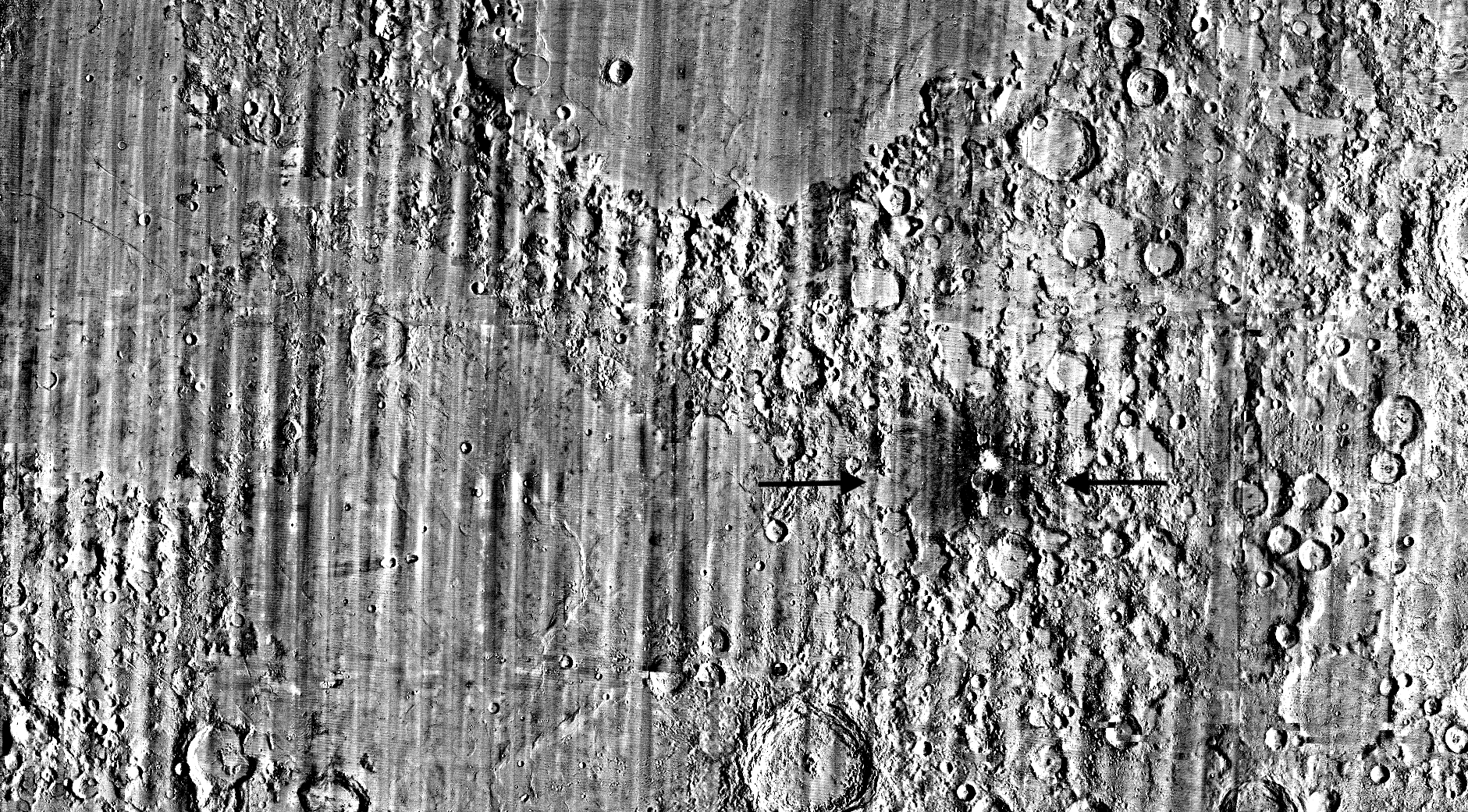
That is an operations statement: the bus and the instruments survived checkout. It is not a science paper. NASA’s own mission page already posted engineering test images from 20 January 2026 — a visible-light frame of part of Virgo, and a near-infrared frame with a blocked detector region and dispersed starlight streaks. Those are calibration stills. Colors were added in processing. They are not atmospheres.
What to watch
- First public spectra. NASA says science data are available at the NASA Exoplanet Archive. The test of “began study” is whether reduced visible-plus-infrared time series for a named planet show up there — not another artist’s concept.
- Whether the 24-hour stare actually holds. The design depends on a full-day observation with a transit inside it, ten times per world. If scheduling or pointing shortens those stares, the stellar-contamination argument weakens.
- Hazes, clouds, water — as measured, not as promised. Those three words are the survey’s chemical targets. They become news when a paper or archive product reports them for a specific planet, with the star’s contribution subtracted.
- How Webb uses the set. Project scientist Knicole Colón at Goddard said combining Pandora and Webb data should let scientists “determine the properties of stellar surfaces and cleanly separate star and planetary signals.” Watch for a joint analysis, not a claim that Pandora replaces Webb.
- Whether the Pioneers bet pays. A higher-than-usual tolerance for failure is NASA’s own hedge. Twenty atmospheres in a year is the score the archive will keep.
Pandora is a small telescope with a spare Webb detector, already on orbit, now paid to stare. The atmospheres are still ahead of it.
Sources
- NASA Science / Goddard, Francis Reddy, “NASA’s Pandora Mission Begins Study of Exoplanets, Host Stars,” 25 August 2026 — https://science.nasa.gov/missions/pandora-missions/nasas-pandora-mission-begins-study-of-exoplanets-host-stars/
- NASA Science, Pandora mission page (launch 11 January 2026; engineering test images 20 January 2026) — https://science.nasa.gov/mission/pandora/
- NASA Scientific Visualization Studio, SVS 14945, “NASA’s Pandora Satellite to Explore Exoplanets and Stars” — https://svs.gsfc.nasa.gov/14945/
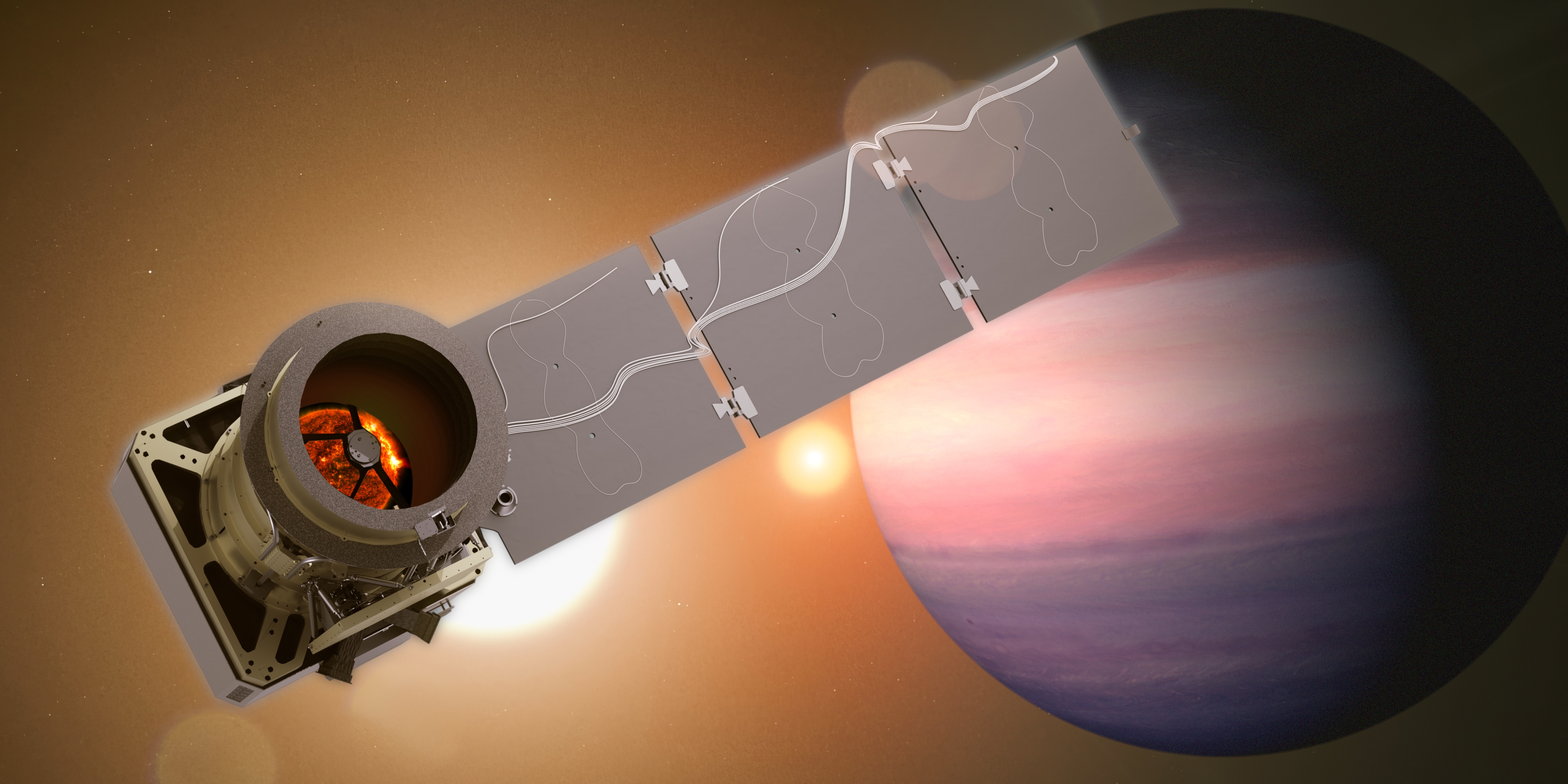
Cover: NASA’s Goddard Space Flight Center / Conceptual Image Lab, artist’s concept of Pandora from the 25 August 2026 NASA Science story (SVS 14945, Pandora_Graphic_No_Text.jpg). NASA/Goddard. Public domain.