Posts
Browse our latest investigations, impact stories, and evidence-based progress updates.
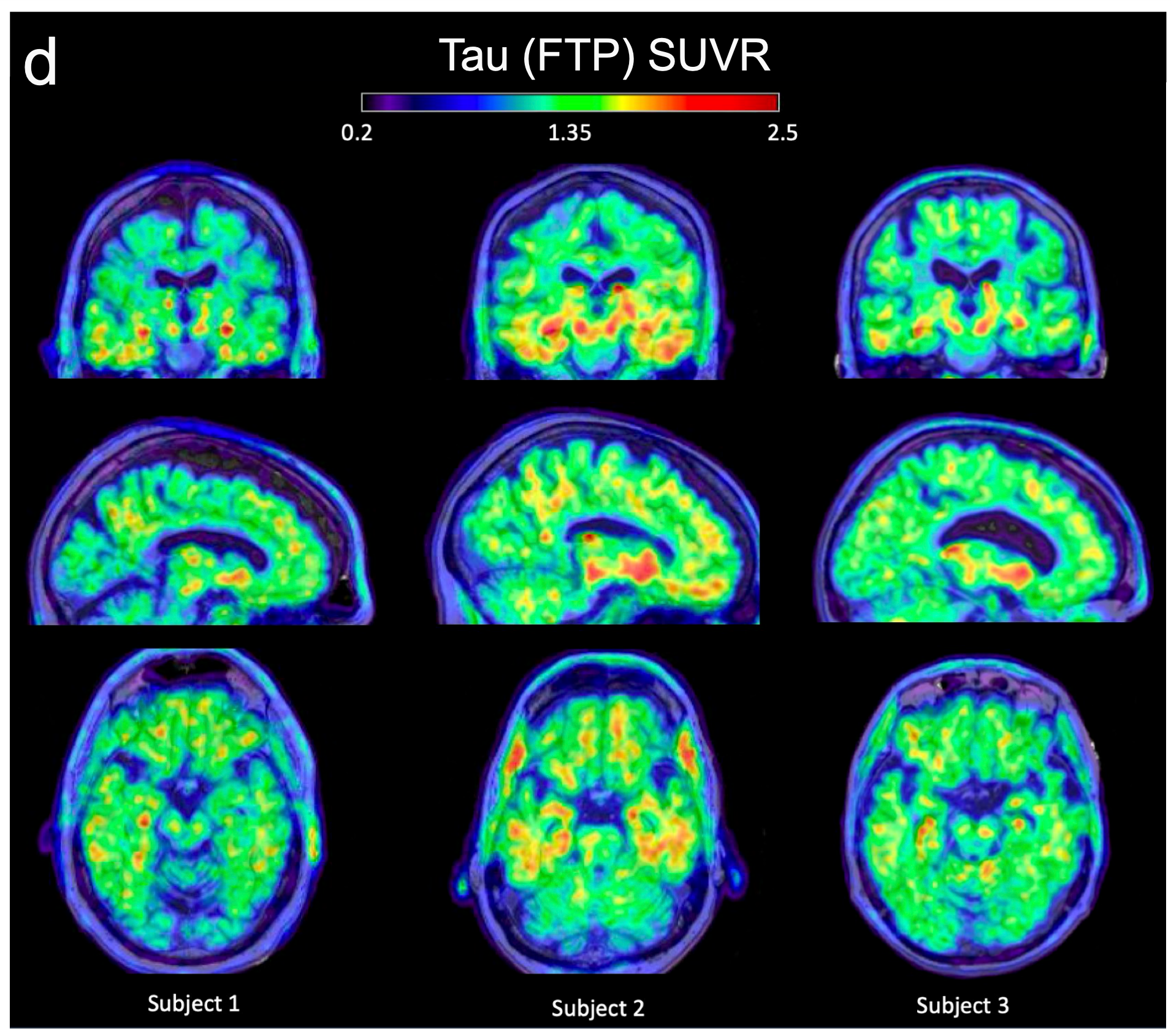
UC Berkeley’s Nature Neuroscience study links frontal tau to shorter, solitary non-REM slow waves and weaker overnight memory in cognitively healthy older adults — replicated with WashU CSF markers. A sleep bridge between tau and memory, not an Alzheimer’s diagnosis.
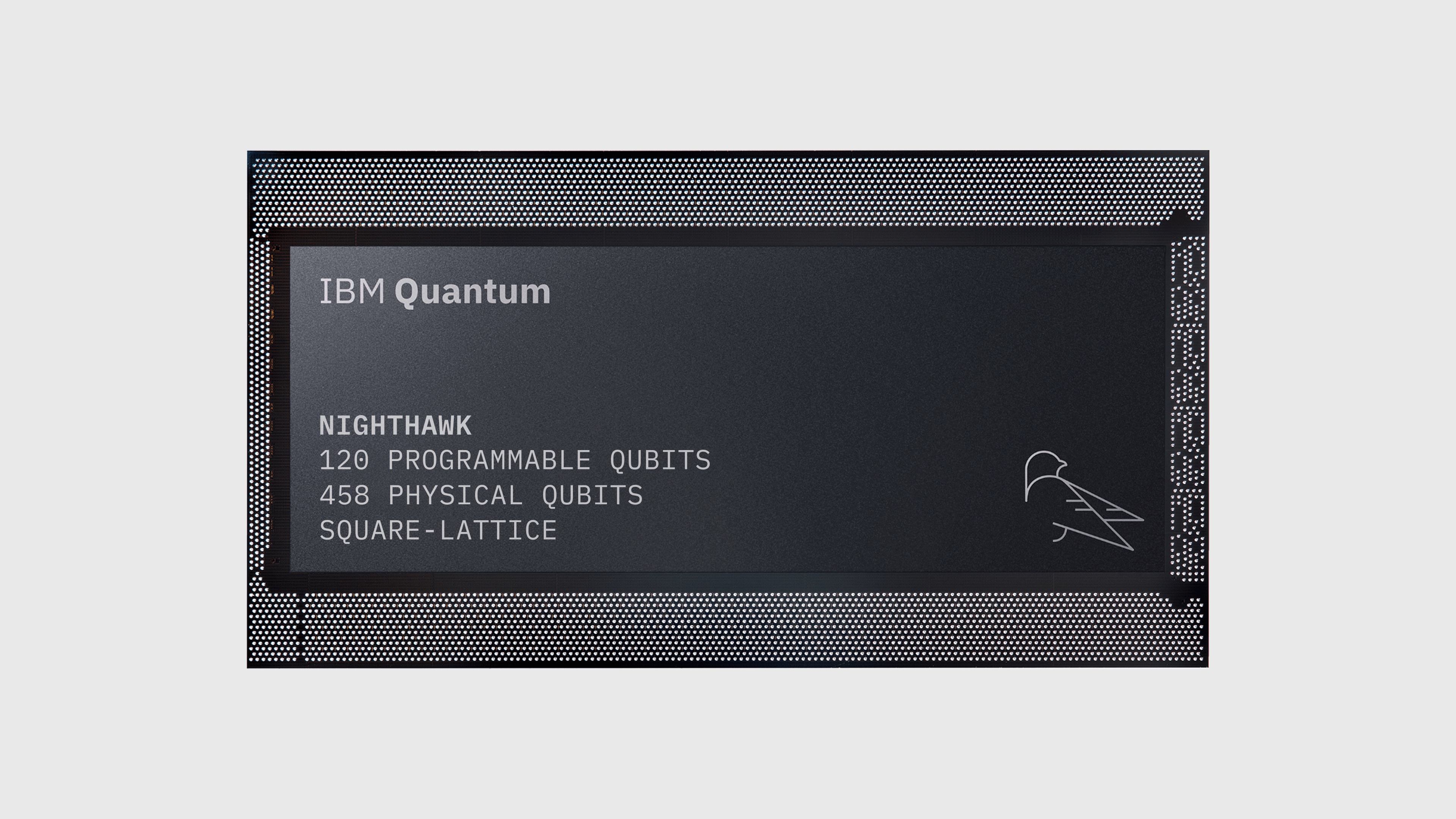
IBM’s Nighthawk r2 is live on the IBM Quantum Platform and runs more than 100,000 circuits a second — about 25× Heron throughput. The 120-qubit chip also clears a 2026 roadmap target: accurate results on circuits with 7,500+ gates. It is a cloud speed-and-reset upgrade, not a fault-tolerant product.
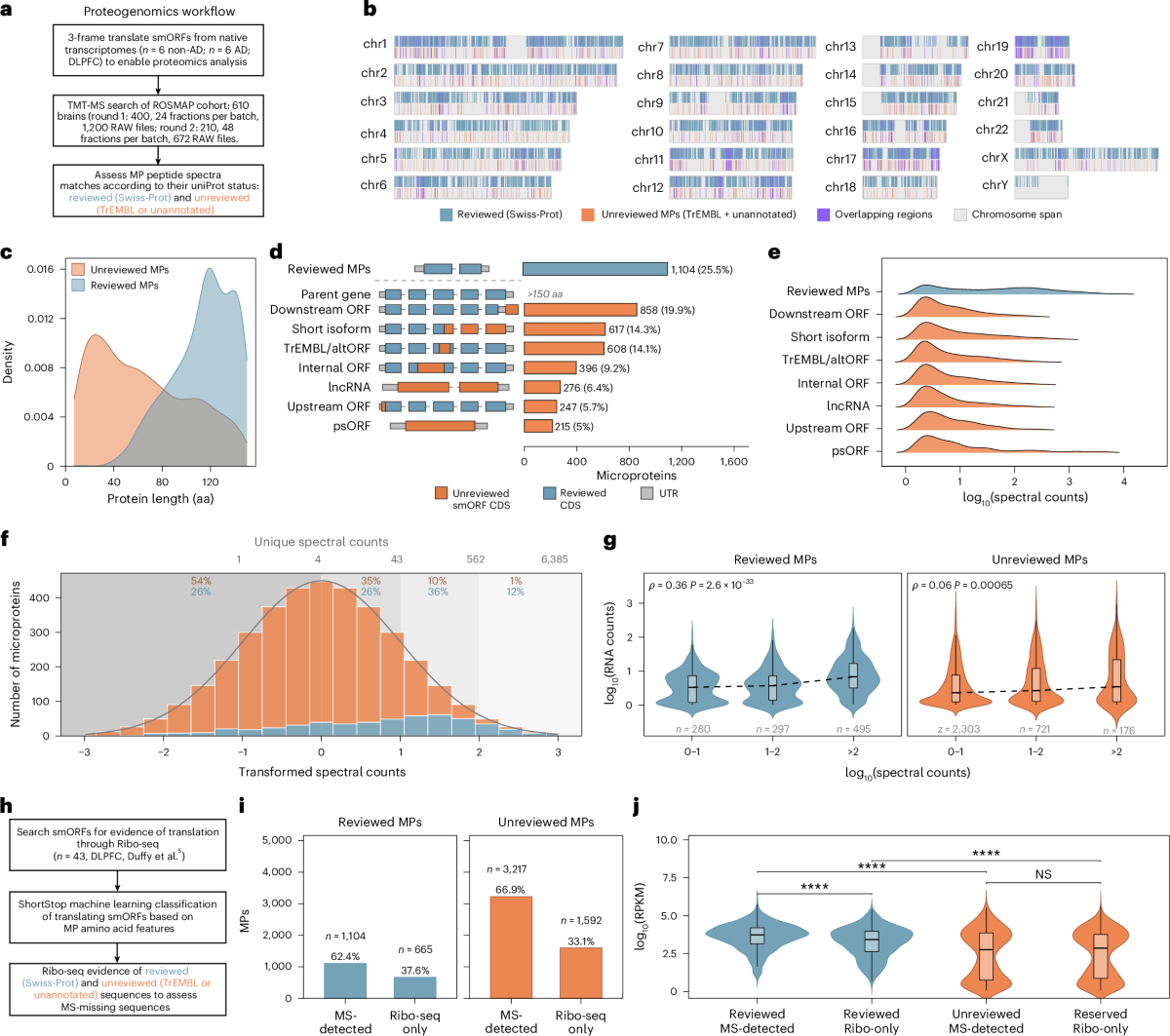
A Salk-led Nature Aging atlas built from more than 600 frontal-cortex brains reports 1,067 microproteins missing from reviewed UniProt catalogs — including a 63-amino-acid MKKS product downregulated in Alzheimer’s that hits microglial mitochondria. It is a map, not a drug.
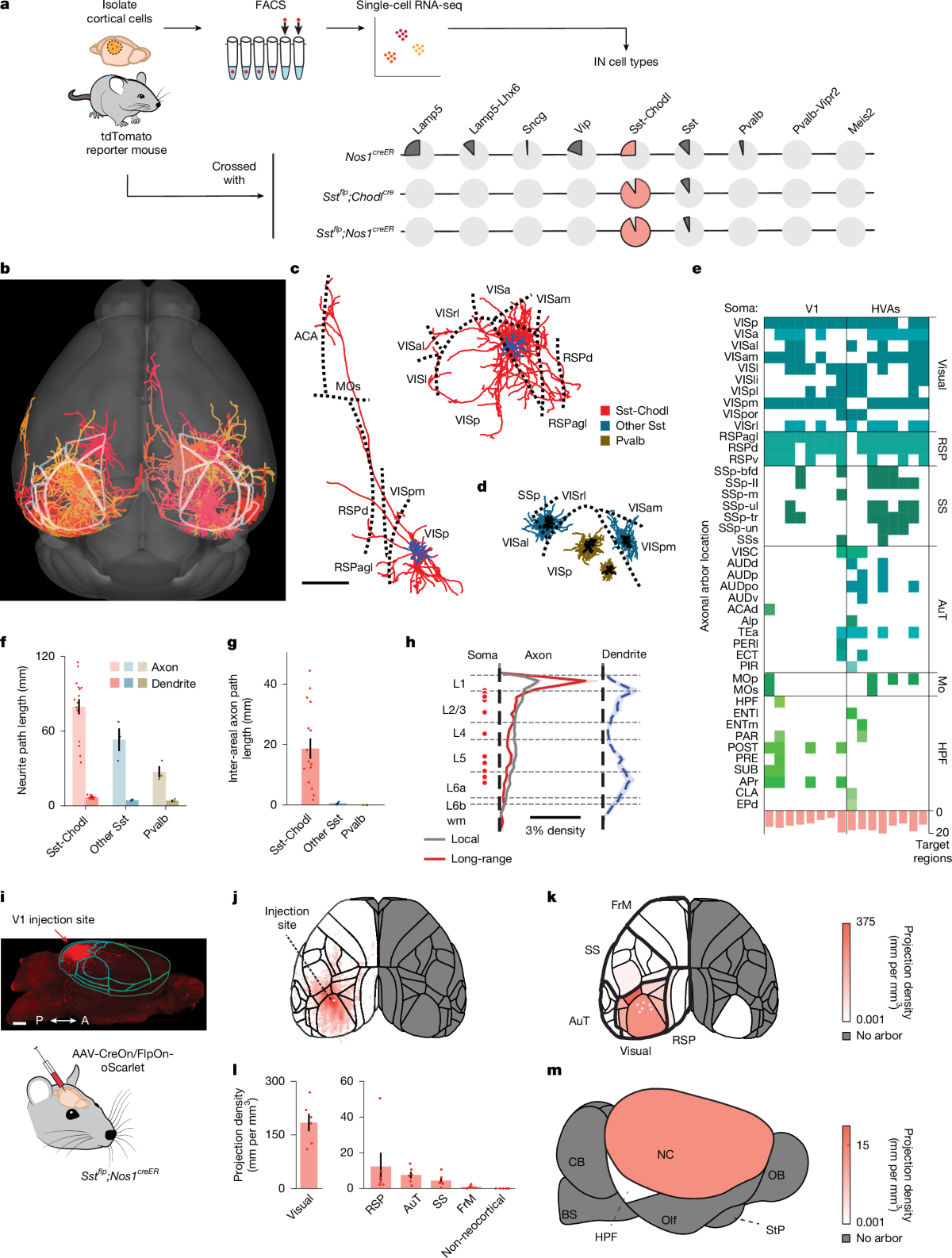
On 9 September 2026, Einstein and Allen Institute researchers showed in Nature that sparse Sst-Chodl cortical neurons (<1% of cortical GABAergic cells) induce sleep in mice; chemogenetic activation in n=14 mice raised SWS/REM and cut wake (P<0.001).
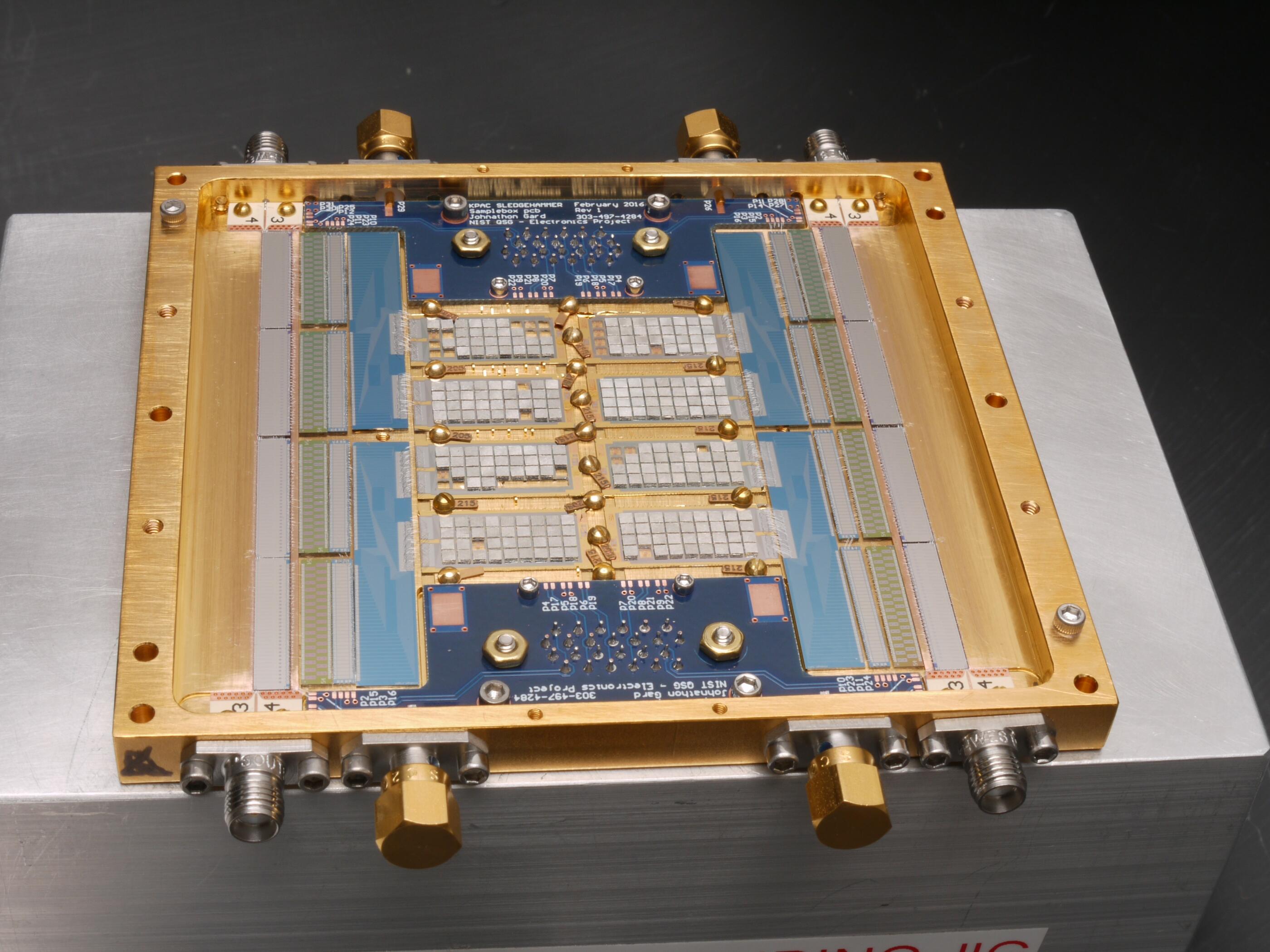
On 10 September 2026, NIST used transition-edge quantum sensors to measure X-ray emissions from plutonium, uranium and neptunium with unprecedented accuracy, cutting energy uncertainty by about one-third to one-eighth for cleaner nuclear monitoring.
On 8 September 2026, Google DeepMind released AlphaGenome Atlas and ranked all 9 billion possible single-letter DNA mutations in the human genome. The free AVI score prioritizes coding and non-coding variants for research. Early UK Biobank work found 22% more rare non-coding associations. Atlas is a predictive catalogue, not a clinical diagnosis.