Science & TechnologyPublished
Stanford mice now grow a human cortex in their heads
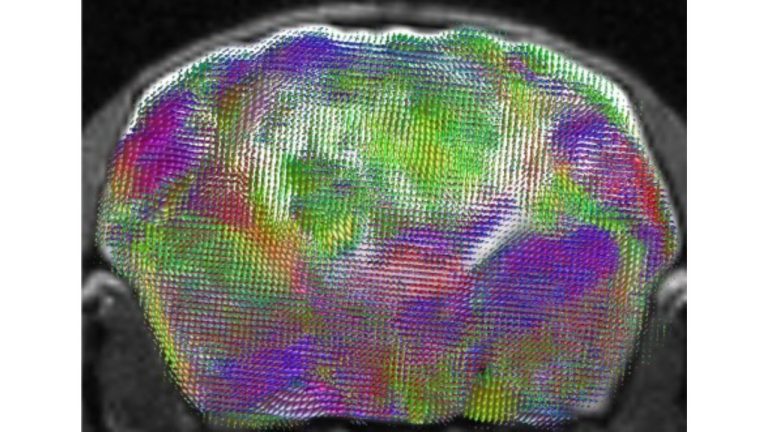
On 16 September 2026 Stanford Medicine reported in Nature that human cortical organoids transplanted into “apallial” mice — engineered to lack most cortex and hippocampus — expanded nearly fivefold and filled more than 90% of the vacant cortical volume within two to three months, wiring into mouse circuits including the spinal cord and producing rare von Economo–like neurons (~1 in 90,000 cortical cells). A research model for neurodevelopment and injury, not a human therapy.

The Good Signal
Editor
Related articles
Continue the investigation
Written by The Good Signal
Surfacing signals of progress in a noisy world — practical, verifiable, and forward-looking stories.