
The nation's space agency has turned its attention from the cosmos to career development at home, spotlighting welding as a promising career path for teenagers amid a widening skilled labor shortage that threatens America's ambitions in renewable energy, infrastructure modernization, and aerospace advancement.
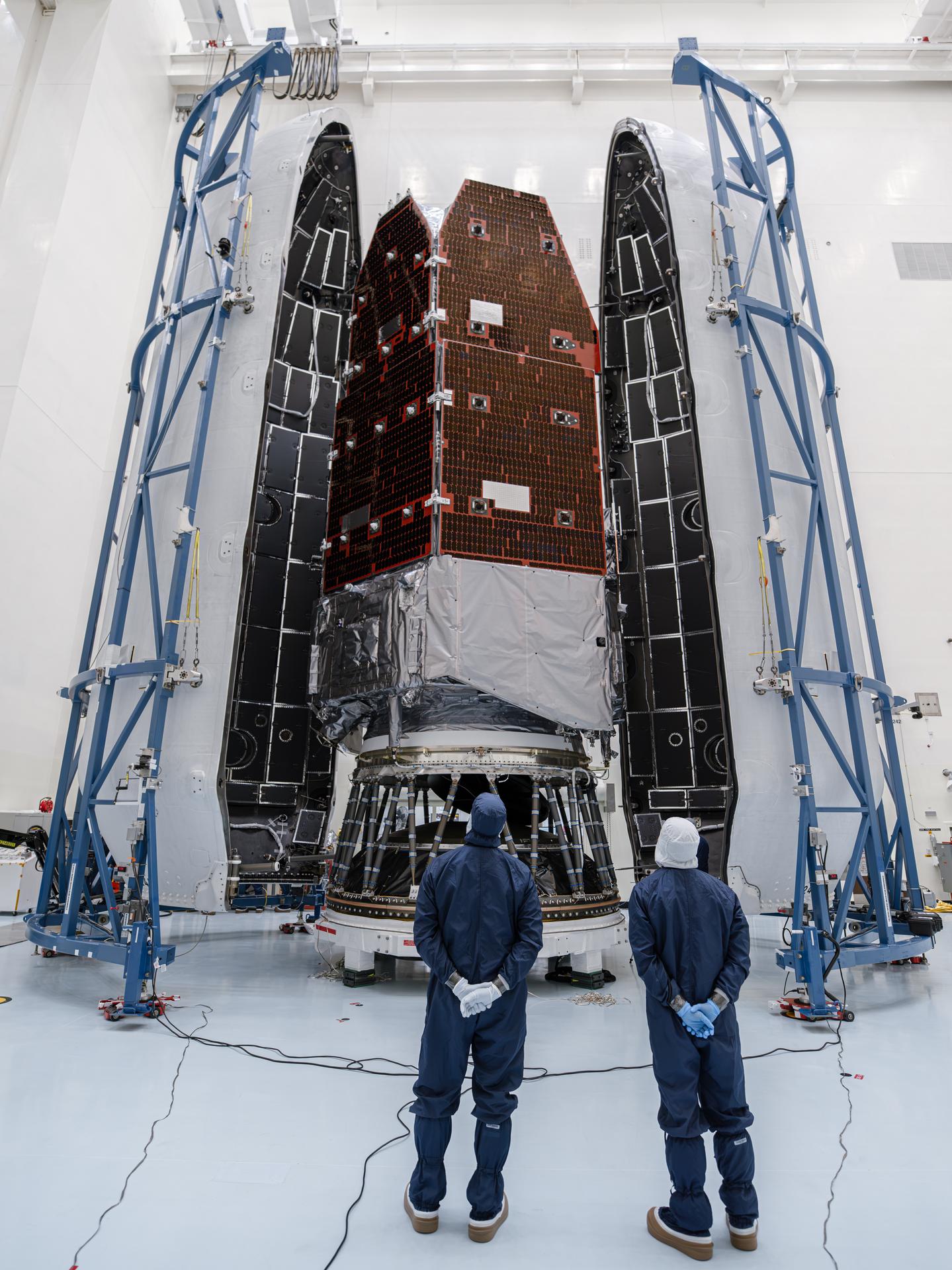
NASA released its Career Spotlight: Welder (Ages 14-18) resource in 2024, positioning welding as far more than simply joining metals—it frames the trade as a foundational skill powering the construction of everything from massive wind turbines to the very launch pads that propel rockets into space. According to the agency, welders put their expertise to work on "equipment and facilities that make space exploration possible, such as launch pads, fuel tanks, propellant lines, and buildings where rockets are assembled."
The timing of NASA's career highlight could hardly be more consequential. The American Welding Society projects that the United States will face a shortfall of approximately 360,000 welders by 2027, creating what industry experts describe as a critical gap between the skilled workforce needed and the number of trained professionals available. The workforce data reveals an even more urgent picture: approximately 82,500 welding positions will need to be filled annually from 2024 through 2028, while more than 155,000 current welders approach retirement age.
Beyond the aerospace applications that might first come to mind when NASA promotes a career, welding sits at the intersection of America's most pressing infrastructure and energy priorities. The bipartisan Infrastructure Investment and Jobs Act, signed into law in November 2021, authorized $1.2 trillion for infrastructure projects that—from bridges and pipelines to clean energy installations—will require armies of skilled welders. Meanwhile, the renewable energy transition is creating entirely new categories of welding employment, particularly in offshore wind where welders assemble the key components that make wind turbines possible.
"As a Wind Welder, you will help assemble the key components that go into making wind turbines," noted the New York State Energy Research and Development Authority in its own career guidance materials, echoing NASA's messaging about welding's critical role in sustainable infrastructure. State agencies across the country have identified welding as essential to clean energy workforce development, with offshore wind projects alone requiring 74 different occupations including welders, pipefitters, and iron workers.
The career trajectory for welders offers compelling advantages for young people weighing education and career options. According to the U.S. Bureau of Labor Statistics, the median annual wage for welders, cutters, solderers, and brazers reached $51,000 in May 2024, with entry-level positions offering approximately $33,000 annually and experienced welders in specialized fields commanding significantly higher compensation. NASA-affiliated welding positions can pay between $18 to $45 per hour, with opportunities extending from Kennedy Space Center in Florida to White Sands Test Facility in New Mexico.
Unlike traditional four-year degree paths that often leave graduates with substantial debt, welding careers typically require only high school completion plus postsecondary training that can be completed through vocational programs, community colleges, or registered apprenticeships in a fraction of the time and cost. Organizations like the American Welding Society offer registered apprenticeship programs that combine paid on-the-job training with technical instruction, allowing young workers to earn while they learn.
Why It Matters
This development matters because it represents a convergence of three critical national priorities: addressing the skilled trades shortage threatening America's infrastructure and energy goals, providing debt-free pathways to economic mobility for young people, and validating hands-on work as equally valuable to society as white-collar careers. By leveraging the prestige of the space agency to promote welding, NASA is helping dismantle outdated stigmas around trade careers while highlighting their essential role in building a sustainable future.
Background
The welding profession has undergone significant transformation in recent decades, evolving from manual labor to incorporate advanced technologies including computer numerical control (CNC) operations, collaborative robots, and sophisticated quality control systems. Modern welders increasingly work with exotic materials and precision equipment across aerospace, renewable energy, manufacturing, and construction sectors. The average age of welders has climbed to 55, creating urgency for generational workforce transition.
What's Next
Industry analysts expect demand for welders to remain robust throughout the 2020s as both infrastructure spending cycles and renewable energy build-outs accelerate. Programs like United Alloy's Weld Youth Apprenticeship and similar initiatives are expanding to create clearer pathways from high school directly into the skilled trades. Federal and state workforce development agencies are increasingly targeting welding as a priority occupation for training investments, recognizing that without adequate skilled labor, America's infrastructure and climate goals could face significant delays.