
What happened
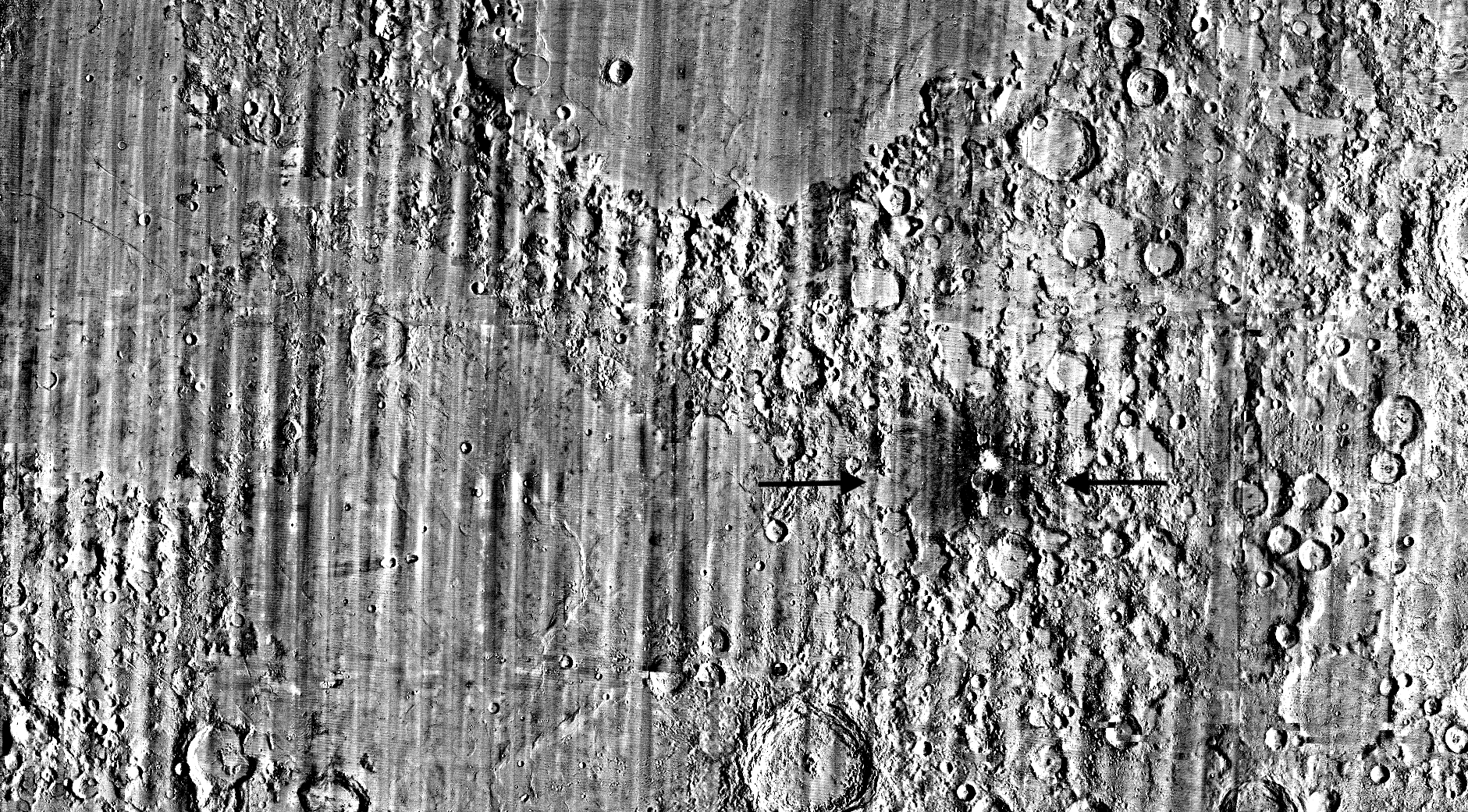
NASA has announced that new observations from the James Webb Space Telescope have definitively ruled out any possibility of asteroid 2024 YR4 impacting the Moon in 2032. The finding closes a lingering branch of uncertainty that had persisted after earlier ground-based observations narrowed but did not eliminate the lunar impact scenario.
Webb observed the asteroid when it was exceptionally faint—roughly magnitude 30—at a stage when no other observatory could achieve comparable precision. By extending the observation arc from 2025 into early 2026, orbital dynamicists were able to reduce the remaining uncertainty in the object's trajectory enough to eliminate the lunar-impact branch entirely.
Why it matters
This event is a practical demonstration of how planetary defense increasingly depends on precision follow-up observations, not just initial detection. Early warning networks like ATLAS and Catalina Sky Survey are designed to identify potential threats, but high-sensitivity assets like Webb are essential for refining risk estimates before objects move out of favorable viewing geometry.
The methodological significance is clear: Webb's ability to track extremely faint moving targets years before a close pass can materially improve decision quality for mitigation planning. NASA notes that these results are science in progress and not yet peer reviewed, but the operational lesson stands.
What to watch next
The broader signal here is one of strategic continuity. NASA's DART mission tested deflection mechanics; the upcoming NEO Surveyor mission aims to improve discovery rates; and Webb—along with future observatories—will continue to reduce orbital uncertainties. Together, these layers are transforming planetary defense from a single mission concept into a sustained, multi-asset capability.
As asteroid 2024 YR4 continues its orbit, future observations may further refine our understanding of its physical properties, but the 2032 lunar impact scenario is now closed.
Sources
- NASA Science (Webb blog): https://science.nasa.gov/blogs/webb/2026/03/06/how-nasas-webb-helped-rule-out-asteroids-chance-of-2032-lunar-impact/
- NASA Planetary Defense update: https://science.nasa.gov/blogs/planetary-defense/2026/03/05/new-nasa-asteroid-observations-eliminate-chance-of-2032-lunar-impact/